
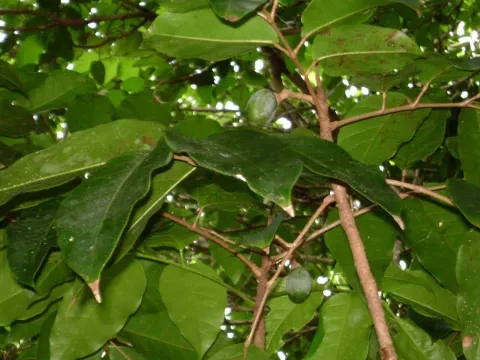
Canarium harveyi
Canarium harveyi
Canarium harveyi is a significant tropical tree species belonging to the Burseraceae family. Native to the islands of the South Pacific, including the Solomon Islands, Vanuatu, and Fiji, this tree is a vital agricultural asset for local communities, primarily valued for its edible nuts and durable timber.
What the section contains
Canarium harveyi
The climate requirements for this species are strictly tropical, necessitating high annual temperatures and consistent humidity levels. Successful cultivation relies on an environment that mimics the humid lowland forests of its origin, where the tree can thrive without the risk of frost or prolonged seasonal drought.
Regarding soil, Canarium harveyi prefers deep, fertile, and well-drained substrates. Volcanic soils rich in minerals are ideal for its development. Adequate drainage is essential to prevent root rot, as the tree, despite its affinity for moisture, cannot tolerate stagnant water conditions in the root zone.
Botanically, the tree is characterized by its expansive canopy and large, pinnate leaves, which allow for efficient photosynthesis in light-competitive tropical environments. These structural features allow the tree to reach significant heights while maintaining a dense biomass that supports nut production.
Economically, the species is widely utilized for its kernels, which are highly nutritious and rich in essential lipids. Beyond the food value, the tree produces a characteristic resin used historically in local crafts and traditional medicine, further increasing the agricultural interest in this species.
Harvesting of Canarium harveyi involves collecting fruits that have reached maturity, typically evidenced by the softening and coloring of the pericarp. Once harvested, the nuts must be separated from the fleshy pulp and carefully dried to prevent mold growth, ensuring long-term storage quality.