
Beiselia
Beiselia
Beiselia (Beiselia mexicana) is a rare, woody succulent species belonging to the Burseraceae family. It is a monotypic genus, which makes it a highly sought-after plant for specialized botanical collections and conservation research.
What the section contains

Beiselia
The plant originates from the tropical dry forests of Mexico, specifically within the states of Michoacan and Guerrero. In its natural environment, it occupies rocky habitats where it is exposed to harsh, seasonal droughts.
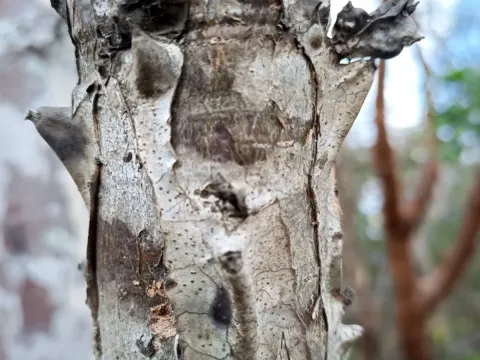
Botanically, Beiselia is recognized for its thickened, succulent stem (caudex) and bark that exfoliates in thin layers. The leaves are small and typically shed during the dry season to minimize transpiration and conserve internal moisture.
To cultivate Beiselia successfully, one must replicate its natural need for high light intensity. It thrives in locations that receive full sunlight, provided that the ambient temperatures remain warm throughout the primary growing season.
The soil requirements are strict: the medium must be exceptionally well-draining. A mix consisting of mineral components, such as pumice, perlite, and coarse sand, is far superior to standard potting soils, which hold too much moisture.
Fungal diseases related to root rot are the primary threat to the longevity of Beiselia. Excess moisture in the soil, especially during the plant's dormant winter phase, can cause rapid tissue decay and death.
Common pests include mealybugs, which tend to congregate in the crevices of the trunk and near the growth points. Manual removal combined with systemic insecticides is the standard approach to managing these pests effectively.
Spider mites can also be problematic if the plant is grown in low-humidity environments with stagnant air. Frequent inspection and ensuring good air circulation are vital for preventing infestations.
Bacterial infections may occur following physical damage to the trunk or improper pruning. It is essential to use sterilized tools and apply antifungal agents to any exposed wounds to promote rapid healing.
Implementing a rigid watering schedule is the best defense against environmental stressors. By closely monitoring the health of the caudex and the moisture level of the substrate, cultivators can minimize the risk of pathogen outbreaks.