
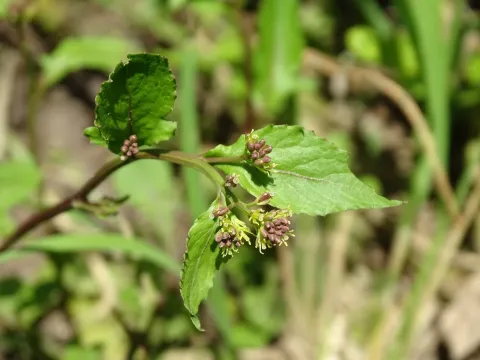
Rorippa dubia
Rorippa dubia
Rorippa dubia is typically an annual or biennial herbaceous plant that spreads effectively through seed dispersal in favorable climates.
What the section contains
Rorippa dubia
Germination usually occurs during the early spring when soil moisture levels are high and temperatures are consistently moderate.
The plant demonstrates a prolific seed production capability, which allows it to colonize agricultural fields rapidly under proper conditions.
Agronomic management requires timely intervention before the plant enters the reproductive stage to prevent further seed bank accumulation.
Seeds require sufficient contact with damp soil to break dormancy, highlighting the importance of soil moisture management in fields.
Belonging to the Brassicaceae family, Rorippa dubia requires habitats with consistent moisture availability to support its metabolic processes.
The plant thrives in nutrient-rich soils, particularly those high in organic matter and nitrogen, often found in low-lying riparian areas.
Regarding climate, it prefers temperate environments where humidity remains high throughout the primary growing season.
While it thrives in open, sunny locations, it can also tolerate partial shade if the soil moisture levels are maintained optimally.
Proper soil structure, such as silt or loam, is preferred as these soil types possess superior water-retention characteristics for this species.
Like many members of the Brassicaceae family, Rorippa dubia is susceptible to common cruciferous pests like flea beetles.
Fungal pathogens such as downy mildew and various root rot agents can significantly impact the plant's health in waterlogged environments.
Effective management includes maintaining crop rotation and field sanitation to minimize the pressure from host-specific diseases.
Invasive control measures must be carefully applied, focusing on biological and mechanical methods to protect the local ecosystem balance.
Early detection of pathogen infestation is crucial, as the plant can act as a secondary host for diseases affecting related crops.