
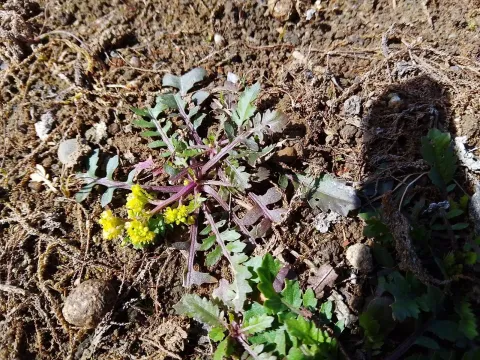
Rorippa islandica
Rorippa islandica
Rorippa islandica is typically sown in early spring, once the soil temperature consistently reaches levels suitable for germination, usually around 10 degrees Celsius.
What the section contains
Rorippa islandica
The seeds are minute and require a well-prepared, fine seedbed to ensure proper contact and moisture absorption, as they are sensitive to drying out during the initial stage.
Surface sowing is recommended, followed by light pressing or shallow covering with fine soil or compost to maintain moisture levels without depriving the seeds of necessary light.
In greenhouse environments, staggered sowing every few weeks allows for a continuous harvest of fresh leaves, which is ideal for small-scale market production.
Adequate spacing, around 20 centimeters between rows, is necessary to minimize competition between plants and to facilitate easier weeding and maintenance throughout the season.
As a member of the Brassicaceae family, this species thrives in environments with high moisture availability, often preferring damp, fertile soils rich in organic matter.
The plant requires a consistent supply of water to the root zone; therefore, regular irrigation is essential, especially during dry spells, to prevent the plant from flowering too early.
While it prefers full sun for vigorous growth, it can tolerate partial shade, which is often beneficial during the heat of summer to keep the leaves tender and crisp.
The soil should have a neutral to slightly acidic pH, and the application of balanced organic fertilizers can significantly increase the yield and quality of the foliage.
Providing good airflow is crucial to prevent the accumulation of excess humidity around the base of the plant, which could lead to physiological disorders.
Common pests include cruciferous flea beetles, which can cause significant defoliation and hinder the growth of young plants if not managed appropriately.
Fungal diseases, such as powdery mildew or downy mildew, are potential risks, especially in conditions with stagnant air and consistently high humidity levels.
Slugs and snails can pose a threat, particularly in the damp habitats that Rorippa islandica prefers, making physical barriers or traps a necessary management strategy.
Effective crop rotation is essential, as growing the crop in the same location for multiple years increases the risk of soil-borne diseases such as clubroot.
Integrated pest management, including regular monitoring and maintaining the health of the surrounding ecosystem, is the most effective approach for this crop.
Harvesting usually begins 30 to 45 days after planting, once the leaves are large enough to be consumed but before the plant transitions into the reproductive growth stage.
The preferred harvest method is the intermittent cutting of the outer leaves, which allows the central crown to remain intact and continue producing new growth for later harvests.
It is important to harvest during the cool hours of the morning to maintain high water content in the tissues, which contributes to better shelf life after harvesting.
Post-harvest handling involves quick cooling of the leaves, as they are highly perishable and prone to wilting due to their thin leaf structure and high moisture content.
For seed production, selected plants should be allowed to bolt and develop seed pods, which can then be harvested once they reach physiological maturity at the end of the season.