
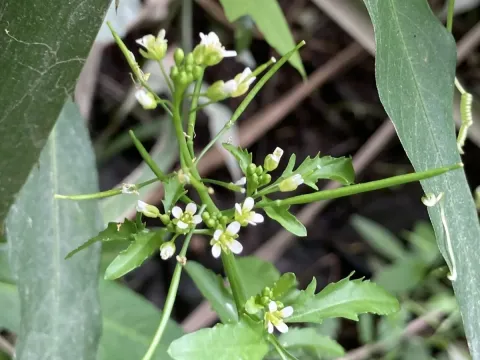
Rorippa hilariana
Rorippa hilariana
Rorippa hilariana is a perennial herbaceous plant belonging to the Brassicaceae family. Originating from South American regions, it is specialized in thriving in humid and aquatic habitats, which defines its cultivation requirements.
What the section contains
Rorippa hilariana
The plant requires consistently moist or waterlogged soils rich in organic matter. Proper hydration is critical for the development of its succulent leaves, and drought stress significantly impacts the yield quality.
It prefers a temperate climate with moderate sun exposure. While the plant benefits from light, excessive heat can lead to early flowering or bolting, which reduces the edible value of the vegetation.
For optimal growth, soil pH should be maintained in the slightly acidic to neutral range. Incorporating compost or well-rotted manure during land preparation provides the necessary nutrients for biomass production.
Field management requires careful weeding, especially in the early stages of growth, as the plant does not compete well with vigorous weeds in the same ecological niche.
As a member of the Brassicaceae family, the plant is susceptible to common pests such as flea beetles. These insects can quickly defoliate young plants if left unchecked during the initial growing phase.
High humidity, while beneficial for growth, creates favorable conditions for fungal pathogens like white rust or clubroot, which can devastate the root system if the soil structure is poor.
Slugs and snails are major pests that target the lush foliage of the plant. Using physical barriers or bait traps is often necessary to protect the harvest in damp environments.
Preventive measures include ensuring adequate spacing between rows to improve airflow, which helps to keep the leaves dry and reduces the likelihood of fungal colonization.
Integrated pest management strategies focusing on early detection and biological control are highly recommended for sustainable production of this crop.