
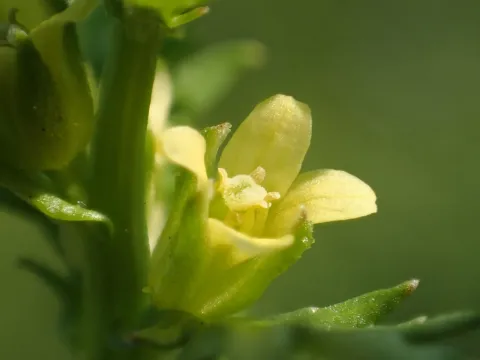
Rorippa microsperma
Rorippa microsperma
Rorippa microsperma is a perennial herbaceous plant belonging to the Brassicaceae family. It is recognized for its high nutritional value and is often cultivated as a specialty green vegetable in niche markets.
What the section contains
Rorippa microsperma
The plant exhibits a strong preference for high-moisture environments, naturally thriving in wetland areas, near stream banks, and in poorly drained, fertile soils rich in organic matter.
Successful cultivation requires a stable moisture supply throughout the growing season. The soil should be consistently damp, mimicking the conditions of riparian habitats to ensure vigorous leafy growth.
Climatically, the plant prefers temperate conditions. Excessive heat and direct sunlight should be avoided during mid-summer to prevent the plant from bolting and to maintain the tenderness of the foliage.
Originating from parts of East Asia, this crop is well-adapted to cooler, moist climates. Agricultural management must prioritize maintaining high soil humidity and providing light shading during the peak of summer.
Like many members of the Brassicaceae family, Rorippa microsperma is highly susceptible to flea beetles, which can cause significant damage to the leaf structure early in the season.
Aphid infestations are a common issue, often leading to stunted growth and reduced yields if not monitored regularly and managed with appropriate biological controls.
Fungal diseases, specifically clubroot, represent a major risk when crop rotation practices are neglected, as the pathogen can persist in the soil for several years.
Downy mildew frequently appears during periods of high humidity and poor ventilation, manifesting as patches on the underside of the leaves.
Management strategies include utilizing row covers to prevent insect access and ensuring adequate plant spacing to facilitate airflow and reduce the incidence of moisture-dependent fungal infections.