
Rorippa aquatica
Rorippa aquatica
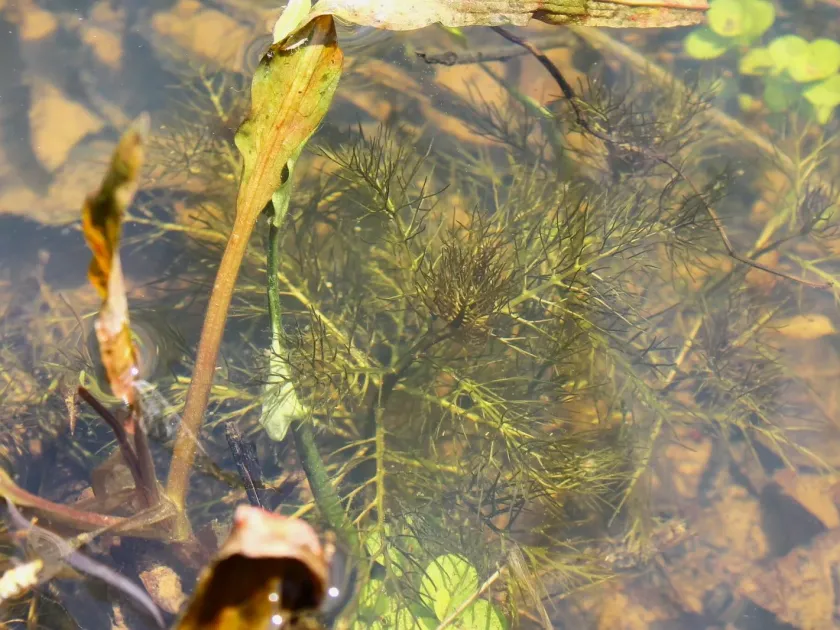
Description
Growing requirements
Rorippa aquatica is a fascinating aquatic species belonging to the Brassicaceae family, originating from the wetlands of North America where it thrives in flowing water.
In the horticultural and aquarium trade, it is highly prized for its ability to transform its leaf structure from simple blades to deeply dissected, fern-like leaves under specific conditions.
Optimal growth requires a temperature range of 68 to 79 degrees Fahrenheit and a substrate rich in essential nutrients to support its vigorous root system.
Providing CO2 supplementation is highly recommended, as it significantly boosts the plant's ability to develop its intricate and aesthetically pleasing foliage pattern.
Lighting should be kept at a moderate to high level, ensuring the light reaches the lower stems to prevent the plant from shedding its leaves due to shading.
Main diseases and pests
Algae infestation is the most common threat to Rorippa aquatica, as slow-growing or nutrient-deficient specimens are quickly smothered by green hair algae or cyanobacteria.
Nutrient imbalances, particularly low levels of iron or potassium, often manifest as yellowing leaves or stunted development, weakening the plant's overall structural integrity.
Sudden changes in water pH or alkalinity can trigger a shock response, causing the plant to lose leaves rapidly and potentially leading to total stem decay.
Invasive snails that feed on delicate plant tissues can cause significant physical damage, leaving the plant vulnerable to bacterial infections and further decay.
Proper water circulation is essential to prevent the accumulation of sediment on the leaves, which can interfere with photosynthesis and lead to localized tissue necrosis.