
Rorippa armoracioides
Rorippa armoracioides
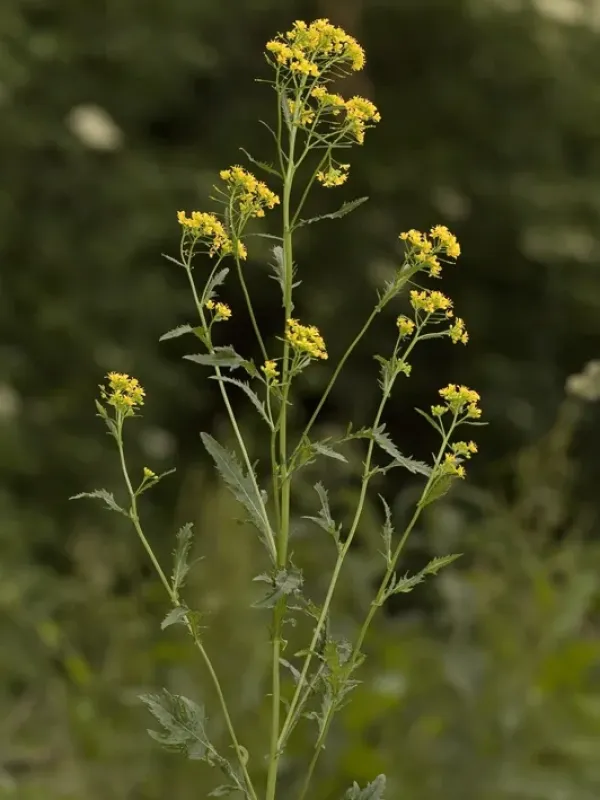
Description
Sowing dates
Rorippa armoracioides, commonly known as a species of yellowcress, is a perennial herbaceous plant belonging to the Brassicaceae family. Its propagation is primarily through seed, which requires specific environmental conditions to germinate successfully during the spring season.
For optimal results, seeds should be sown in early spring when the soil temperature consistently reaches at least 5–8°C. Shallow planting is crucial; seeds should be placed no deeper than 0.5–1 cm to ensure they receive sufficient light and moisture for germination.
The field preparation must focus on creating a fine, weed-free seedbed. Given the small size of the seeds, using a light roller to press the soil after sowing can significantly improve seed-to-soil contact, which is vital for moisture uptake.
Row spacing should be maintained at 30–40 cm to allow for adequate airflow and to simplify mechanical weeding operations during the vegetative stage. Proper spacing also ensures that the plants have sufficient access to light for maximum photosynthesis.
If sowing is done in autumn, the seeds undergo natural stratification, which often results in more vigorous seedling emergence the following spring. This practice is recommended for regions with long, cold winters where the seeds can settle safely before the growing season starts.
Growing requirements
Rorippa armoracioides thrives in moist environments, reflecting its natural habitat as a wetland-adjacent species. Ensuring consistent soil moisture levels is the most critical factor in successful cultivation, as drought stress quickly leads to stunted growth and poor foliage quality.
The ideal soil is a fertile, well-draining loam that can retain moisture without becoming waterlogged. High organic matter content significantly boosts leaf yield and overall plant vigor, so incorporating compost or well-rotted manure into the soil is highly recommended.
Exposure to full sunlight is preferred for the best development, although the plant can tolerate partial shade in hotter climates. Adequate light exposure is necessary to prevent the plant from becoming leggy and to ensure high concentrations of secondary metabolites in the leaves.
The plant performs best in soils with a pH ranging from 6.0 to 7.0. While it can adapt to slightly acidic conditions, extreme shifts in pH will inhibit nutrient uptake and increase susceptibility to environmental stress.
- Regular irrigation to maintain moisture in the root zone.
- Mulching to suppress weeds and preserve soil humidity.
- Monitoring soil nitrogen levels to support leaf development.
- Strategic rotation with non-Brassicaceae crops to maintain soil health.
Main diseases and pests
The most common agricultural threat to Rorippa armoracioides is the flea beetle, which can decimate seedling populations early in the season. Implementing row covers or using biological insecticides at the first sign of damage is necessary to preserve the crop.
Fungal pathogens such as downy mildew can thrive in humid conditions, especially when plant density is too high. Improving aeration through proper spacing and regular thinning of the crop is the primary cultural method for disease mitigation.
Caterpillars, including those of the cabbage white butterfly, can cause significant cosmetic damage to the leaves. Frequent scouting is essential to identify infestations, allowing for mechanical removal or the use of targeted biological controls before the damage becomes extensive.
Root rot, driven by stagnant water or poor drainage, is a significant threat during periods of heavy rainfall. Ensuring that the planting site has adequate slope or an artificial drainage system is a mandatory precaution against these pathogens.
Maintaining a clean field environment by removing wild host plants from the Brassicaceae family helps prevent the spread of diseases. A robust IPM (Integrated Pest Management) approach is the most sustainable way to protect the crop throughout its life cycle.