
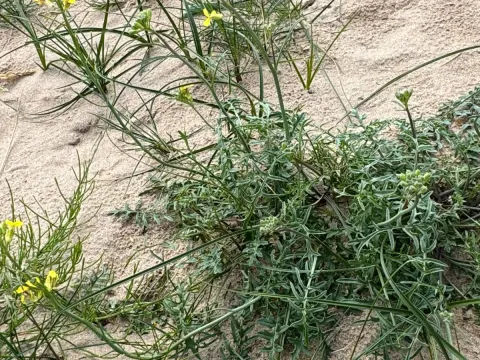
Rhynchosinapis
Rhynchosinapis
Rhynchosinapis, belonging to the Brassicaceae family, is a versatile crop that requires specific conditions for optimal germination. Seeds exhibit high vigor when sown in early spring, once the soil temperature consistently reaches 5–8 degrees Celsius.
What the section contains
Rhynchosinapis
The sowing depth is crucial for this species and should be maintained at approximately 1–2 centimeters. Proper seedbed preparation, including fine-tuning the soil structure, ensures uniform emergence and consistent stand establishment.
Planting can be done in rows, with spacing adjusted to favor either vegetative biomass or seed production. Narrow rows are generally preferred for fodder production to maximize ground coverage and weed suppression.
Early spring planting allows the crop to establish a robust root system before the onset of summer heat. This strategy is essential for achieving a high yield and mitigating the impact of potential seasonal droughts.
Post-sowing compaction is recommended to improve capillary moisture movement to the seeds. This step is particularly important in regions with erratic spring rainfall patterns to ensure rapid and synchronous germination.
This crop thrives in well-drained, fertile soils with a neutral pH. It is particularly sensitive to waterlogging, which can cause significant root damage and increase susceptibility to secondary fungal infections.
Rhynchosinapis requires ample sunlight throughout its growth cycle to maximize photosynthetic activity. Locations with high light exposure are essential for developing strong, productive plants with good foliage quality.
The nutrient demand for this crop includes a balanced supply of nitrogen, phosphorus, and potassium. Nitrogen application should be timed with the peak growth phase to boost biomass production efficiency.
While the plant is relatively cold-tolerant, it performs best in temperate climates with moderate rainfall. Extreme heat or prolonged dry spells during the flowering stage can negatively impact the final seed yield.
Proper crop rotation is fundamental to managing soil health and reducing the pressure of soil-borne pathogens. Rhynchosinapis should not follow other Brassicaceae species in the rotation sequence to prevent common diseases.
The yield of Rhynchosinapis varies depending on the specific variety, soil fertility, and agricultural management practices. When harvested for fodder, multiple cuts are often possible if moisture conditions are optimal.
High-yield scenarios are typically associated with precision irrigation and timely fertilizer application. A well-managed stand can produce a significant amount of nutritious forage per hectare.
Seed yield depends on the successful pollination and prevention of premature pod shattering. Harvesting at the right maturity stage is critical to reducing harvest losses and ensuring high-quality seeds.
Experimental trials suggest that with good agronomic practices, the biomass yield remains competitive with other forage brassicas. Farmers are encouraged to monitor plant density to optimize the yield potential.
Ongoing research aims to improve the genetic stability of varieties to provide more consistent yields across different climatic regions. Strategic planning remains the cornerstone of successful agricultural performance.
Flea beetles are the most common pests during the seedling phase, potentially causing severe damage in a short timeframe. Proactive monitoring and early-stage chemical protection are often necessary to safeguard the crop.
Diseases such as powdery mildew and clubroot represent significant risks, especially in poorly drained or overly humid environments. Improving field drainage is an effective preventive measure against these pathogens.
Insect pests, including cabbage moths, can also affect leaf quality, reducing the overall nutritional value of the harvested biomass. Integrated pest management strategies, including biological controls, are highly recommended.
Root-feeding insects can cause stunted growth and plant death, particularly in younger, more vulnerable plants. Maintaining high soil organic matter and beneficial microflora can help minimize these risks.
- Flea beetles.
- Cabbage moth.
- Powdery mildew.
- Clubroot.