
Rhizobotrya alpina
Rhizobotrya alpina
Description
Growing requirements
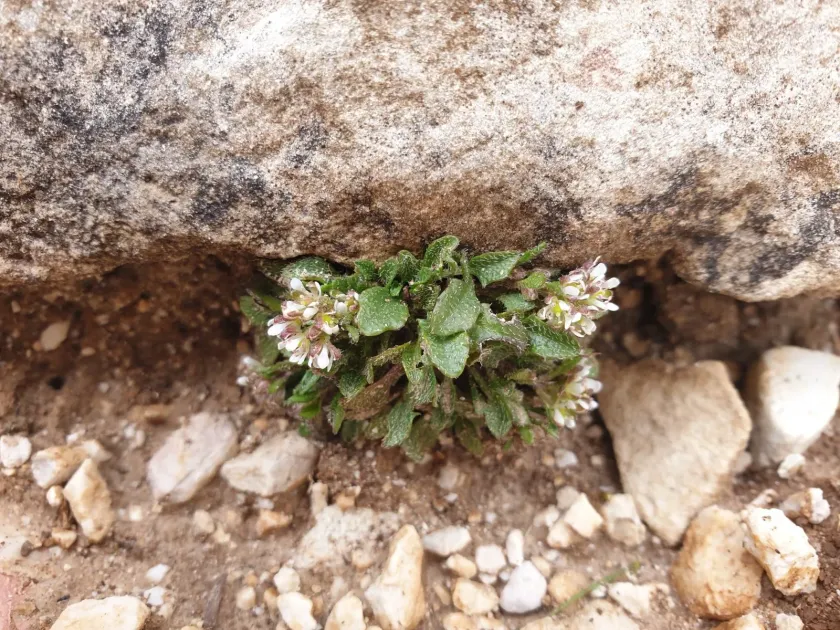
Rhizobotrya alpina is a rare perennial herbaceous plant belonging to the Brassicaceae family. Native to high-altitude environments, this species is characterized by a specialized physiological adaptation to alpine climates, where it thrives under conditions of low temperature and high wind exposure.
The biological structure of this plant reflects its extreme habitat. It possesses a compact growth habit, which protects it from the harsh environment of mountain peaks. Its root system is highly adapted to skeletal, rocky substrates, providing stability and resource acquisition in nutrient-poor alpine soils.
Growing requirements for Rhizobotrya alpina are strictly defined by its natural ecological niche. It requires soils with excellent drainage, preferably rocky or sandy, to prevent root rot. Heavy, moisture-retaining soils are entirely unsuitable for its development, as the plant demands significant oxygen availability around its roots.
Regarding climate, the plant requires cool growing conditions throughout the season. Intense heat and drought common in lowland agriculture are detrimental. Successful cultivation usually involves simulating alpine environments, often requiring greenhouse management or specific site selection at higher latitudes or altitudes.
хозяйственном использованием usage of this species is currently focused on botanical conservation and specialized rock gardens rather than traditional agriculture. Due to its slow growth cycle and sensitivity to environment, it remains a rare subject for agricultural research and is managed as a niche ornamental or scientific interest plant.