
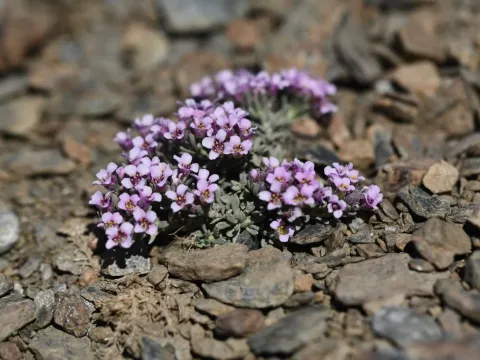
Ptilotrichum purpureum
Ptilotrichum purpureum
Sowing of Ptilotrichum purpureum typically occurs in the early spring once soil temperatures reach adequate levels for germination. Greenhouse production starting in March is common for those seeking to establish mature plants prior to the heat of the summer season.
What the section contains
Ptilotrichum purpureum
Direct outdoor sowing requires well-drained, prepared substrates. Seeds should be sown at a shallow depth of approximately 0.5 to 1 centimeter, as light exposure is necessary to stimulate the germination process of these small seeds effectively.
The species exhibits strong vigor when germinated at moderate temperatures, ideally between 18 and 20 degrees Celsius. The emergence phase generally lasts between ten and twenty days, depending on environmental factors and the freshness of the seed batch used.
Thinning out seedlings is a crucial agronomic practice when seeds have been sown densely. Ensuring proper spacing of at least 25 centimeters between mature plants allows for superior airflow and reduces competition for light and essential soil nutrients.
Autumn sowing is feasible only in regions with mild winter climates, as it allows for natural cold stratification. This method usually yields more robust spring growth, provided that the area is not prone to waterlogging or severe frost heaving.
As a member of the Brassicaceae family, Ptilotrichum purpureum thrives best in full sun exposure. Shady conditions will inevitably lead to leggy, weak stems and significantly reduced flowering, ultimately diminishing the overall ornamental value of the plant.
Soil requirements for this crop include well-drained, light, and sandy-loam compositions with a neutral to slightly alkaline pH. Proper aeration is essential, as the plant is highly intolerant to moisture-retaining soils that can lead to root degradation.
The plant is highly drought-tolerant, having evolved in rocky or mountainous habitats. While it can withstand periods of limited water, supplemental irrigation during the blooming phase often leads to more profuse flowering and vibrant pigment saturation.
Climate tolerance for this species is quite broad, as it is naturally adapted to rugged conditions. It possesses excellent frost hardiness, allowing it to survive through harsh winters in many temperate zones without requiring any specialized artificial protection.
- Full sunlight exposure requirements
- Excellent drainage properties of the soil
- Low organic matter content preference
- Resistance to temperature extremes
The primary threats to Ptilotrichum purpureum involve fungal pathogens, particularly root rot, which is triggered by excessive soil moisture. Maintaining a dry root zone through proper soil drainage and minimal irrigation is the best preventative strategy.
Cruciferous flea beetles are the most frequent insect pests. These small insects can rapidly skeletonize the foliage, requiring immediate intervention with suitable insecticides or organic pest control methods to protect the health of the plant.
Powdery mildew may occur during periods of high humidity and stagnant air. Strategic spacing of plants helps ensure optimal ventilation, while the application of fungicides can be used as a corrective measure if an infestation is detected.
Gastropods such as slugs and snails are known to feed on the tender leaves, particularly following rainfall. Installing copper barriers or using non-toxic bait is often necessary to prevent significant damage in affected garden environments.
Maintaining a clean growing area by eliminating weeds is essential for pest management. Regular inspections and rapid removal of infected debris ensure that the Ptilotrichum purpureum stand remains healthy and reaches its full growth potential.