
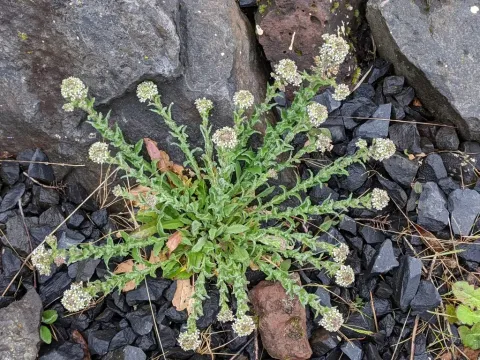
Lepidium heterophyllum
Lepidium heterophyllum
Lepidium heterophyllum, commonly known as Smith's pepperwort, is a herbaceous member of the Brassicaceae family. While frequently classified as an opportunistic plant in wild habitats, it possesses biological traits that allow for establishment in various managed landscapes and meadows.
What the section contains
Lepidium heterophyllum
The seeds of this species possess dormancy characteristics that typically require a period of cold stratification. Consequently, autumn sowing is the most effective method to ensure optimal germination rates in the following spring season.
Due to the small size of the seeds, shallow planting is essential for success. A seeding depth of 0.5 to 1.0 cm is recommended, often followed by light rolling to improve soil-to-seed contact and prevent moisture loss in the upper soil layer.
Early spring growth is characterized by rapid development of the basal rosette. This vigorous stage allows the species to compete effectively for space and sunlight, which is a critical trait when evaluating its ecological role.
Standard agronomic practices suggest uniform broadcast seeding or precision drilling depending on the intended density of the ground cover. Proper spatial management helps maintain plant health and reduces competition between individual plants.
This species thrives in well-drained soils, showing a preference for loamy or sandy substrates. While adaptable to various conditions, it performs best in soils with a neutral or slightly acidic pH balance, avoiding areas with prolonged waterlogging.
The plant demonstrates excellent winter hardiness, allowing it to survive through harsh cold seasons in temperate regions. It is also quite resilient to the fluctuating temperatures commonly encountered during the transition from winter to spring.
Light intensity is a critical factor for the development of Lepidium heterophyllum. It is a heliophilous species, meaning that maximum biomass production and successful flowering occur in areas with full sun exposure throughout the day.
Soil fertility requirements are generally moderate. While the plant can survive in nutrient-poor environments, the application of balanced nitrogen-phosphorus-potassium fertilizers significantly enhances growth and overall vigor.
Water requirements are consistent with moderate precipitation zones. Although the species exhibits some tolerance to short periods of drought, consistent moisture during the vegetative growth phase is essential for optimal yields.
As a member of the Brassicaceae family, it is susceptible to typical cruciferous pests, most notably flea beetles. These insects can cause significant damage to young seedlings, often necessitating careful monitoring during the emergence phase.
Fungal diseases, including powdery mildew and white rust, represent common threats to the plant's foliage. These pathogens flourish in humid conditions and can lead to chlorosis and reduced photosynthetic capacity if left untreated.
Aphid infestations, particularly the cabbage aphid, frequently affect the plant during the flowering stage. These pests can weaken the plant and serve as vectors for secondary viral infections that further compromise overall development.
Effective management requires strict adherence to crop rotation protocols. Avoiding continuous planting in fields previously occupied by other Brassicaceae species is the most reliable way to mitigate the build-up of soil-borne pathogens.
Integrated pest management (IPM) strategies, which prioritize biological control and early detection, are highly recommended. This approach minimizes reliance on chemical interventions, preserving the balance of the local ecosystem.