
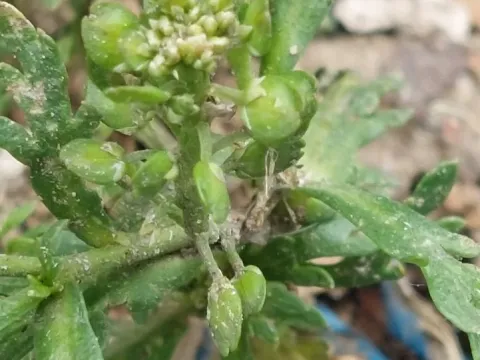
Lepidium bipinnatifidum
Lepidium bipinnatifidum
Lepidium bipinnatifidum belongs to the Brassicaceae family and is recognized for its rapid growth cycle. It is often cultivated as a leafy green vegetable in small-scale farming systems.
What the section contains
Lepidium bipinnatifidum
The optimal sowing time is early spring as soon as the ground can be worked. The seeds require shallow placement, ideally at a depth of about 1 centimeter, to ensure uniform emergence.
Row spacing should be maintained at 20 to 25 centimeters to facilitate adequate air circulation and mechanical weeding, which reduces the need for chemical intervention.
For a continuous supply of fresh greens, staggered sowing is recommended every two to three weeks, depending on the climatic conditions and the specific length of the growing season.
Germination is typically quick, usually occurring within 7 to 10 days, provided that soil moisture is consistently maintained during the initial establishment phase.
The crop thrives in well-drained, sandy loam soils with a neutral pH. Proper soil structure is essential to prevent waterlogging, which the plant is highly sensitive to during its early stages.
While the plant prefers full sunlight, it can tolerate partial shade, which is often beneficial during the heat of mid-summer to prevent early bolting and bitterness.
Regular irrigation is vital. The soil surface should not be allowed to dry out completely, as stress from drought triggers the reproductive phase, reducing the quality of the foliage.
Fertilization should be balanced, with a focus on phosphorus to support root development. Excessive nitrogen application should be avoided to minimize nitrate accumulation in the leaves.
Crop rotation is mandatory to avoid soil-borne pathogens. It is recommended not to plant Lepidium species on the same field more than once every four years to maintain soil health.
Cruciferous flea beetles are the primary threat to young seedlings. They can cause significant damage in a very short time, requiring early monitoring and potential protective netting.
Downy mildew can occur under conditions of high humidity and poor ventilation. Keeping rows clear of weeds and ensuring adequate space between plants helps mitigate this risk.
Clubroot is a serious soil disease that can persist for years. Once a field is infested, it requires long-term management and the exclusion of all Brassicaceae crops from the rotation.
Aphids can cause leaf curling and stunt growth. Integrated pest management, including the encouragement of natural predators like ladybugs, is the preferred control method.
Regular sanitation, such as the removal of crop residues immediately after harvest, disrupts the life cycle of various pests and prevents the buildup of disease inoculum in the field.
The harvest phase begins when the plants reach the desired rosette size, usually within 35 to 45 days after sowing, depending on the temperature and day length.
Leaves are harvested by cutting the entire rosette or by selective picking of the outer, more mature leaves, which allows for continued plant growth and future cuttings.
For the best quality, harvesting should occur early in the morning. Prompt cooling and shaded storage are essential to maintain the crispness and flavor profile of the harvest.
If seed production is the goal, selected plants should be allowed to bolt. The seeds are ready to harvest when the seed pods begin to turn brown and dry on the stem.
Careful handling is required during transport and packaging to avoid bruising the delicate leaves. Utilizing perforated bags can help regulate moisture and maintain freshness during storage.