
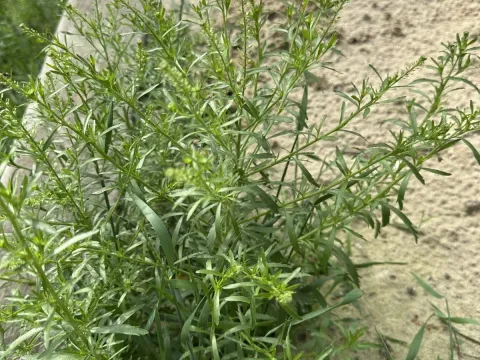
Lepidium neglectum
Lepidium neglectum
Lepidium neglectum is a member of the Brassicaceae family, often noted for its resilience and ability to thrive in various environmental conditions. Its biological cycle allows it to establish rapidly in early spring.
What the section contains
Lepidium neglectum
Sowing times generally coincide with early spring, typically starting from March. The seeds exhibit high vigor, ensuring stable emergence even under fluctuating temperatures, which is beneficial for field trials.
Proper sowing depth is crucial for this species, as shallow placement facilitates optimal light exposure for germination. Precision planting equipment is recommended to maintain uniform stand density.
Following germination, the plants develop a vegetative rosette before transitioning to the reproductive stage. This growth pattern is characteristic of many biennial or annual crucifers adapted to temperate climates.
Early sowing allows the crop to establish itself ahead of competing vegetation. Ensuring adequate spacing between rows helps in maintaining a healthy canopy and simplifies future maintenance tasks.
The plant thrives in well-drained, neutral to alkaline soils. It is particularly noted for its ability to survive in nutrient-poor and compacted soils where other crops might struggle to survive.
Moisture requirements are moderate, with the plant demonstrating significant drought tolerance due to its deep taproot system. This makes it a robust species for regions with irregular rainfall patterns.
Sunlight is an essential requirement for Lepidium neglectum. It is classified as a sun-loving plant, and shade exposure significantly reduces biomass production and overall seed yields.
Agrotechnical management involves regular soil aeration to support root health. While the plant is quite hardy, moderate nitrogen applications can improve leaf development during the early stages.
Site selection should focus on open areas with minimal competition. Its adaptive nature allows it to colonize diverse landscapes, making it an interesting subject for environmental reclamation studies.
The primary yield component of Lepidium neglectum is its seed production. Under optimal conditions, the plant is capable of producing a high volume of small, viable seeds per individual plant.
Harvesting efficiency depends on the timing of maturity, as seeds can disperse quickly if left too long in the field. Monitoring the moisture content of the pods is essential to prevent significant losses.
Yield stability is generally high, as the plant is less sensitive to environmental extremes compared to many commercial cruciferous crops. Proper soil preparation contributes positively to overall output.
While not a traditional cash crop, the potential for using its seeds for oil extraction or as a cover crop makes its yield assessment relevant for experimental agricultural programs.
Post-harvest processing involves cleaning and drying the seeds to prevent fungal growth. Storage should be in cool, dry conditions to maintain viability for future sowing cycles.
Cruciferous flea beetles represent the most significant pest risk for this crop. These insects primarily attack the foliage, causing damage that can hinder growth during the critical early stages.
Fungal diseases, including downy mildew, can occur under high humidity levels. Managing canopy density and providing adequate ventilation are effective preventative strategies.
Seed-feeding insects may pose a threat during the reproductive phase, potentially reducing total yield. Regular monitoring during the flowering season is necessary to manage such outbreaks.
Root-related issues are minimal but can be exacerbated by excessive soil moisture. Maintaining a good drainage system is the best approach to mitigate these potential risks.
Integrated pest management, combining physical barriers and biological controls, is highly recommended to protect the crop without relying heavily on intensive chemical applications.