
Lepidium lepidioides
Lepidium lepidioides
Description
Sowing dates
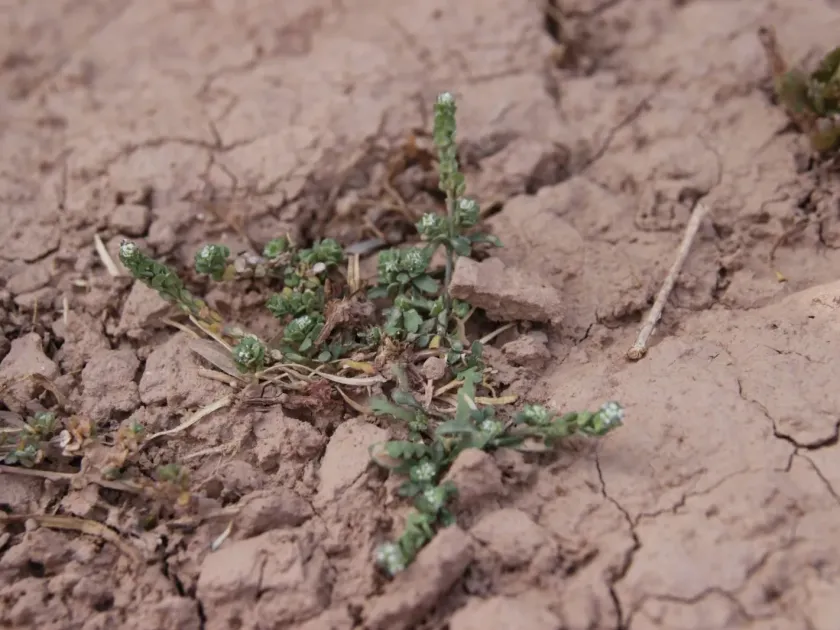
Lepidium lepidioides is an annual herbaceous plant belonging to the Brassicaceae family, valued for its rapid growth and nutritional properties.
Sowing should take place in early spring as soon as the soil temperatures reach at least 5 to 8 degrees Celsius for effective germination.
Rows are typically spaced at 20–25 centimeters apart to allow for proper air circulation and to facilitate easy mechanical weed control.
The seeds are sown at a shallow depth of 1–2 centimeters, as they require sufficient contact with moist soil to emerge consistently.
Successive planting every two weeks is a standard practice for commercial growers to ensure a continuous supply of fresh harvest throughout the season.
Growing requirements
The crop thrives in sunny locations with well-drained, fertile soil that ranges from sandy loam to clay loam in texture.
A neutral to slightly alkaline pH level is ideal for Lepidium lepidioides, and lime application is recommended for acidic soils.
While the plant is hardy, it requires consistent moisture throughout its growth cycle, particularly during the rosette formation stage.
Balanced fertilization with nitrogen, phosphorus, and potassium supports optimal biomass production, though nitrogen should be managed to avoid nitrate accumulation.
Proper crop rotation is essential, and it should not follow other Brassicaceae species to minimize the risk of soil-borne diseases.
Yield
The yield potential of Lepidium lepidioides is significant due to its short vegetative cycle, allowing for multiple harvests within one growing season.
Under optimal management, green mass yields can range between 15 and 25 metric tons per hectare, depending on local climate conditions.
Seed production yields generally vary from 500 to 800 kilograms per hectare, depending on plant density and harvest efficiency.
Good soil preparation and irrigation management are the primary drivers of high-quality yield and consistent production levels.
The economic return is maximized when the crop is harvested at the precise moment of technical maturity to ensure high market value.
Main diseases and pests
Cruciferous flea beetles represent the most significant pest threat, often requiring early detection and control to protect young seedlings.
Cabbage moths and other lepidopteran larvae can cause substantial leaf damage, necessitating regular field scouting.
Fungal diseases, including downy mildew and various bacterial rots, may emerge in humid environments with poor soil drainage.
Effective pest management strategies include crop rotation, use of resistant varieties, and timely application of bio-insecticides where appropriate.
Preventative cultural practices, such as removing crop residues, help reduce the overwintering population of major agricultural pests.
Harvesting
Harvesting is typically performed when the foliage reaches a height of approximately 10–15 centimeters, usually 30–45 days post-emergence.
For the best shelf life and quality, plants should be harvested early in the morning to retain moisture and turgidity.
If producing seeds, the plants should be harvested when the lower siliques begin to yellow, ensuring seeds are fully developed before shattering occurs.
Immediate post-harvest cooling and controlled transport conditions are necessary to maintain product quality for fresh market distribution.
Mechanical harvesting equipment should be calibrated to maintain a low cutting height to capture the full potential of the leafy mass.