
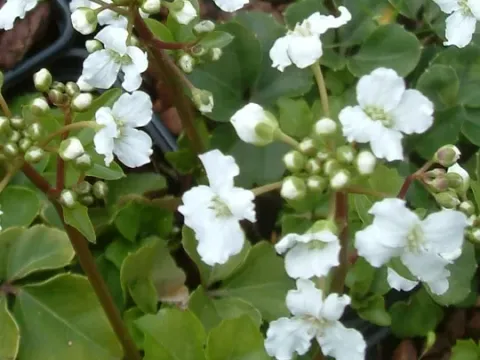
Three-leaved bittercress
Cardamine trifoliolata
Three-leaved bittercress (Cardamine trifoliolata) is a perennial herbaceous plant belonging to the Brassicaceae family. It is typically found in the shaded forest habitats of Central Europe.
What the section contains
Three-leaved bittercress
The crop requires humus-rich, moist, and well-draining soil. It thrives in partial shade conditions, as excessive direct sunlight can cause significant stress to the foliage and root system.
Regarding climate, the plant is highly frost-tolerant and adapts well to temperate regions. Consistent moisture levels are crucial, especially during the spring growth phase.
Agricultural techniques for this plant focus on maintaining soil structure and avoiding drought stress. It is often cultivated as a groundcover plant or for its early spring edible greens.
Propagation is commonly achieved through division of the rhizomes or by sowing seeds in prepared, weed-free seedbeds during early spring or autumn seasons.
Crucifer flea beetles are the primary pests affecting Cardamine trifoliolata, as they feed on the leaves, creating small holes and stunting the plant's growth.
Pathogens such as powdery mildew may develop if the plants are placed in areas with poor airflow and excessively high humidity levels, particularly during summer.
Slugs and snails present a persistent threat to the succulent leaves, making regular monitoring and physical removal necessary to protect the plant health.
In cases of soil-borne diseases like clubroot, it is essential to adjust the soil pH levels and avoid planting in infected areas for several seasons.
Preventative measures include promoting healthy airflow around the plants and avoiding overhead irrigation during the evenings to reduce the risk of fungal infections.