
Teesdaliopsis
Teesdaliopsis
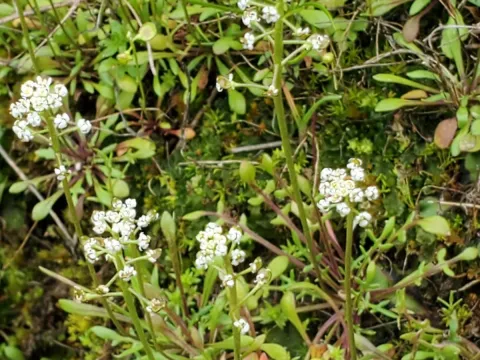
Teesdaliopsis is a genus of perennial herbaceous plants belonging to the Brassicaceae family. It is recognized primarily for its presence in high-altitude environments, specifically as an endemic species native to the Pyrenees mountain range.
What the section contains

Teesdaliopsis
The botanical structure of the plant is adapted to extreme alpine conditions. It features a compact rosette morphology, which helps minimize water loss and provides protection against harsh wind currents. The leaves are typically adapted to nutrient-poor rocky environments.
Cultivation requires specific soil conditions characterized by high mineral content and excellent drainage. The plant naturally thrives in limestone scree and rocky crevices, which prevents root rot and ensures the necessary oxygen exchange for the root system.
Regarding climatic requirements, Teesdaliopsis demands significant exposure to sunlight and a distinct dormant period during the winter months. It is highly sensitive to heat stress and requires consistent cool temperatures typical of high-altitude mountain climates.
In terms of agricultural significance, this plant is not grown as a standard crop. However, its evolutionary adaptations to severe environmental stress make it a subject of interest for botanists and researchers studying plant resilience in extreme habitats.
The primary threats to Teesdaliopsis involve environmental degradation and climate change in its native alpine habitats. In cultivation, the main risks include fungal diseases associated with poor drainage or excessive humidity in the growing substrate.
Pest management is rarely required in natural settings, but under artificial conditions, the plant may be vulnerable to common leaf-eating insects and root pathogens. Ensuring a well-drained, porous growing medium is the most effective preventative measure against these threats.