
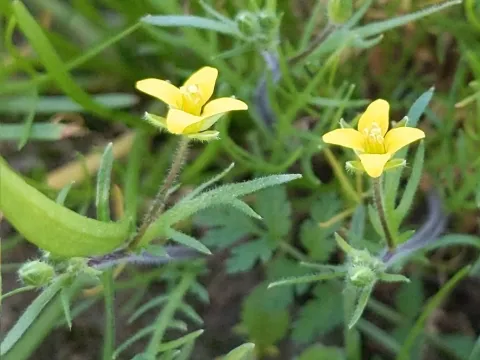
Tropidocarpum
Tropidocarpum
Tropidocarpum is a genus of annual herbaceous plants belonging to the Brassicaceae family. Primarily native to the Mediterranean climates of California, this plant has adapted to survive in regions with distinct wet and dry seasons.
What the section contains

Tropidocarpum
Sowing typically occurs in the late autumn or early spring, depending on the local climate. Seeds are planted at a shallow depth of approximately 1 to 2 centimeters to ensure optimal light exposure and moisture uptake.
The plant has a relatively rapid life cycle, making it suitable for areas where a short growing season is prevalent. Careful consideration of soil temperature is vital for uniform emergence.
Spacing between rows should be maintained to allow for adequate ventilation and to facilitate mechanical weeding operations during the early vegetative stages.
Choosing the right site is crucial for successful establishment, preferably in areas that have not recently hosted other Brassicaceae species to minimize pest pressure.
Tropidocarpum requires well-drained, sandy, or loamy soil types. It is highly intolerant of waterlogged conditions, which can lead to rapid root decay and plant mortality.
The plant thrives under full sun and requires exposure to high light intensity to maximize the production of seeds and secondary metabolites.
While adapted to arid environments, supplemental irrigation during the critical flowering phase significantly increases overall yield and seed quality.
Soil pH should ideally be neutral or slightly alkaline. In acidic soils, liming is recommended prior to planting to optimize nutrient availability.
Nutrient management focuses on balanced fertilization, ensuring the presence of phosphorus and potassium to support the formation of robust seed-bearing pods.
The main pests affecting Tropidocarpum are flea beetles, which can cause significant defoliation in young seedlings. Integrated pest management strategies are advised.
Fungal diseases, including powdery mildew and root rot, represent significant threats during periods of high humidity or poor field drainage.
Effective weed control is necessary during the early stages of development as the plant is a poor competitor against aggressive annual weeds.
Regular scouting of fields is essential to detect early symptoms of infection or pest infestation before they reach economic threshold levels.
Biological control agents and targeted applications of reduced-risk pesticides are preferred methods to maintain a healthy and sustainable crop canopy.
Harvesting is performed once the pods have turned brown and reached physiological maturity. Timing is critical to prevent shattering and seed loss.
Mechanical harvesting is typically carried out using specialized combine harvesters designed for small-seeded crops, ensuring minimal damage to the seeds.
Post-harvest processing involves cleaning the seeds to remove chaff and debris, followed by drying to a moisture content of roughly 8% for safe storage.
Storage should take place in cool, dry facilities to maintain seed viability for future sowing or industrial use.
The economic value of Tropidocarpum lies in its unique botanical properties, often making it a niche crop for specialized agricultural research and production.