
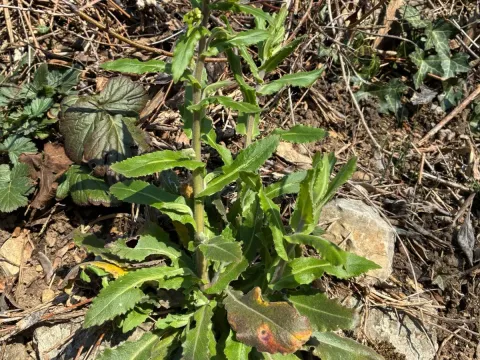
Tower rockcress
Arabis turrita
Tower rockcress (Arabis turrita) is a perennial herbaceous plant belonging to the Brassicaceae family. Native to European mountain ranges, it has adapted to thrive in rocky and lime-rich environments, showcasing significant resilience.
What the section contains
Tower rockcress
The plant is characterized by a basal rosette of leaves and a tall, stiff stem that can reach heights of up to 80 centimeters. Its pale-yellow flowers distinguish it from many other common species within the Arabis genus, providing a unique appearance.
Regarding soil requirements, this species favors well-drained, calcareous substrates. It performs exceptionally well in soils with low organic content, provided they remain free from waterlogging, which is critical for root health.
The climate requirements involve a preference for temperate zones with consistent light exposure. While it tolerates seasonal dryness well, optimal growth is observed when there is a balanced distribution of light and mild temperatures throughout the growing season.
In modern agriculture and horticulture, the crop is primarily valued for its role in rock gardens and hillside stabilization projects. Its ability to thrive in poor soils makes it an interesting subject for studying soil bioengineering and erosion control.
The primary threats to Arabis turrita include fungal pathogens that emerge during periods of high humidity or poor soil drainage. Root rot and mildew are among the most frequent issues requiring proactive management.
Insect pests, particularly those common to the Brassicaceae family, such as flea beetles and aphids, pose a constant threat during the vegetative stage. These pests target the foliage and floral stalks, causing developmental delays.
Weed management remains the most significant challenge for cultivation. Because young rockcress plants have a slow growth rate, they require protection from faster-growing vegetation that can easily outcompete them for resources.
Integrated Pest Management (IPM) strategies are recommended for maintaining plant health. This includes regular scouting for pest populations and improving air circulation around the plants to prevent fungal infections.
Overall, maintaining plant health involves simple yet consistent practices, including monitoring for early signs of infestation and ensuring the soil remains light and airy to prevent anaerobic conditions in the root zone.