
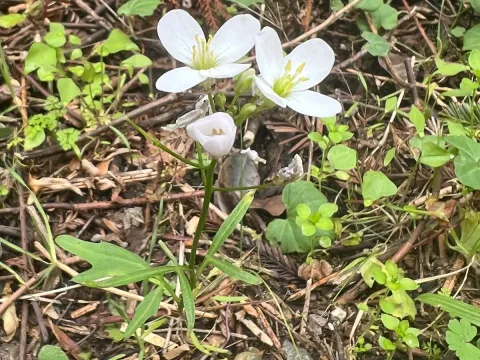
Toothwort
Dentaria
Toothwort (Dentaria) is a fascinating member of the Brassicaceae family, characterized by its unique perennial rhizomatous habit. Originally found in temperate forests, it thrives in shaded, moist environments that mimic its natural habitat under a canopy of trees.
What the section contains
Toothwort
Climate requirements for this plant are strictly defined by its need for cool temperatures and consistent moisture. Excessive sunlight or high heat will cause the plant to enter early dormancy, which can stunt its growth and reduce its overall vitality during the season.
Soil conditions should focus on rich, well-draining, and slightly acidic composition. Organic matter is essential for sustaining the growth of the rhizomes, and the addition of leaf mold or compost is highly recommended for optimal results in garden settings.
Agricultural practices require delicate handling of the soil surface. Because the rhizomes are shallow and sensitive to disturbance, weeding should be done by hand rather than with mechanical tools to avoid cutting or damaging the root system.
Economic and horticultural use of the plant is largely centered on woodland landscaping and conservation efforts. It serves as a beautiful groundcover for shaded areas where other crops might struggle, providing both aesthetic value and ecosystem stability in controlled environments.
Common pests associated with Toothwort include various cruciferous flea beetles, which are notorious for chewing small holes in the foliage. Significant damage can be mitigated through regular scouting and the use of physical protective covers during the early growth stage.
Fungal diseases like downy mildew and root rot are prevalent if the planting area lacks proper ventilation or has poor drainage. Ensuring that the soil does not become waterlogged is the most effective way to prevent these detrimental conditions from taking hold.
Gastropods, including slugs and snails, are primary threats that can cause significant damage to the plant's delicate shoots. The use of organic barriers, such as crushed eggshells or wood ash, can help deter these pests from reaching the main plant body.
Disease management strategies must emphasize preventive measures such as space management and clean tools. Avoiding the overcrowding of plants allows for better air circulation, which naturally lowers the risk of pathogens settling on the foliage.
Biological monitoring is critical throughout the season to ensure that pest outbreaks do not spiral out of control. By maintaining a healthy environment and utilizing integrated pest management techniques, the vitality of the Toothwort crop can be effectively preserved.