
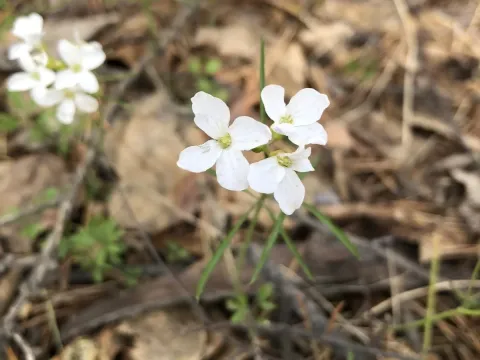
Three-leaf bittercress
Cardamine trifida
Three-leaf bittercress (Latin: Cardamine trifida) is a perennial herbaceous plant belonging to the Brassicaceae family. In agricultural practice, this plant is recognized for its preference for shaded and moist habitats.
What the section contains
Three-leaf bittercress
The plant originates from temperate forest regions, which defines its ecological niche. It requires environments that mimic its natural understory habitat to thrive, specifically avoiding direct sunlight which can scorch its delicate foliage.
Botanically, it is identified by its trifoliate leaves and thin, upright stalks. It develops a modest root system that requires consistent moisture levels in the upper soil layers to maintain nutrient uptake throughout the growing season.
Climate requirements for this species are centered around cool temperatures and high humidity. It is exceptionally hardy against low winter temperatures, making it a robust perennial for regions with harsh, cold winters.
Soil management for Cardamine trifida involves maintaining a loose, humus-rich soil structure. Regular moisture monitoring is essential, as the plant does not tolerate prolonged drought conditions or waterlogged soil that leads to root rot.
The primary threats include fungal diseases such as downy mildew, which can spread rapidly in high-humidity conditions. Maintaining adequate space between plants is a crucial cultural practice to ensure proper airflow and disease suppression.
Pests typical of the Brassicaceae family, such as flea beetles and various caterpillars, pose the greatest risk to crop health. Integrated pest management, including regular scouting, is recommended to prevent significant damage to the leaf tissue.