
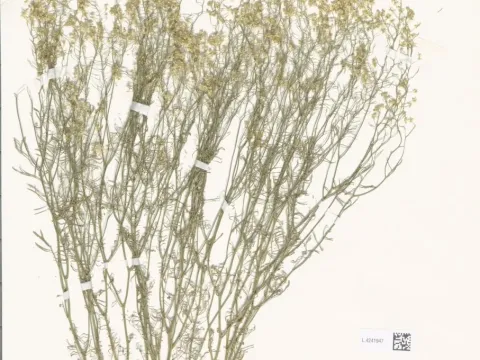
Thracian yellow-cress
Rorippa thracica
Sowing of Thracian yellow-cress is ideally timed for early spring, once the soil has warmed up to at least 8–10 degrees Celsius.
What the section contains
Thracian yellow-cress
The seeds should be sown thinly and covered with a fine layer of soil, no deeper than 1 centimeter, to ensure optimal germination rates.
Successional sowing every two to three weeks is recommended to ensure a continuous supply of fresh harvest throughout the growing season.
Adequate soil moisture must be maintained immediately after sowing, as the seeds are sensitive to desiccation during the initial sprouting phase.
Spacing between rows should be approximately 20–25 centimeters, allowing enough room for cultivation and healthy development of the plant foliage.
As a member of the Brassicaceae family, Thracian yellow-cress thrives in moist, well-structured soils that are rich in organic matter.
The plant demonstrates a preference for neutral to slightly alkaline soil pH and requires consistent access to water to reach maturity.
While the species is adaptable to various light conditions, it produces the best leaf yield when grown in full sun to partial shade environments.
Temperature management is straightforward, as the plant is hardy and performs best in moderate climates ranging between 15 and 22 degrees Celsius.
In field production, site selection near reliable water sources or in low-lying areas with natural moisture retention provides the best growth results.
A well-managed crop of Thracian yellow-cress can produce a high volume of biomass, averaging between 1.5 and 2.5 kilograms per square meter per cut.
Strategic harvesting cycles allow farmers to reap multiple harvests within a single season, significantly increasing the total yield per hectare.
Soil fertility management, particularly the use of nitrogen-based organic fertilizers, contributes to deeper green coloration and faster leaf regeneration.
Proper plant density prevents overcrowding, which is essential for ensuring that each plant can express its full growth potential during the peak season.
Varietal selection and the use of high-quality, certified seed stock are fundamental factors that influence the overall agricultural productivity.
The primary agricultural challenges involve common cruciferous pests, such as flea beetles, which can cause significant damage to young, tender leaves.
Excessive humidity combined with poor airflow may lead to the development of fungal pathogens, particularly root rot and downy mildew.
Integrated pest management strategies, including the use of row covers and beneficial insects, effectively mitigate the pressure from insect populations.
Maintaining a clean field environment by removing debris and weeds prevents the overwintering of pathogens that could infect the next crop cycle.
Early detection of signs of stress in the leaf canopy allows for timely intervention, protecting the quality and marketability of the final product.
Harvesting usually begins 30 to 45 days post-sowing, depending on the current growth temperature and soil nutrient availability in the field.
The harvesting process involves clipping the stems just above the crown, which encourages the plant to initiate secondary growth for the next cut.
To preserve essential nutrients and leaf turgor, harvest should be completed during the cooler hours of the early morning before midday heat.
Post-harvest handling requires immediate cooling to prevent the rapid wilting of the fresh foliage, maintaining its high quality for storage.
Proper sorting and immediate packaging in moisture-retentive containers ensure the product remains fresh during distribution to local markets.