
Teesdalia
Teesdalia
Teesdalia is a genus of small annual plants belonging to the Brassicaceae (mustard) family. Native to various regions across Europe, these plants are well-adapted to habitats with specific ecological conditions and moderate climates.
What the section contains


Teesdalia
The culture thrives primarily on well-drained, sandy, or gravelly soils. It typically grows in open, sunny areas where soil nutrients are limited, making it an excellent example of a hardy, stress-tolerant plant species.
Climatic requirements involve cool to moderate temperatures, typically coinciding with early spring growth cycles. The plant is drought-tolerant once established but requires sufficient moisture during the germination and early development phases.
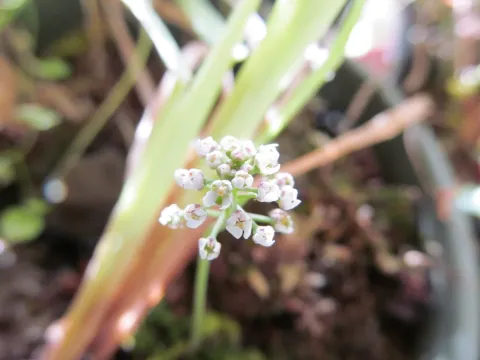
Botanically, Teesdalia is recognized by its basal rosette of deeply lobed leaves and slender stems producing small, white, four-petaled flowers. The seeds are produced in small, distinct silicles typical of the Brassicaceae family.
While not a major commercial crop, Teesdalia holds value in botanical studies and ecological restoration projects. Its ability to colonize marginal soils makes it a subject of interest for soil stabilization and biodiversity conservation efforts.
Sowing should be performed in early spring as soon as the ground is workable. Due to the small size of the seeds, they should be sown shallowly and lightly covered with soil or sand to ensure optimal germination rates and light exposure.
As a member of the Brassicaceae family, Teesdalia is susceptible to common cruciferous pathogens, such as powdery mildew or clubroot, especially if grown in poorly drained, high-moisture conditions.
Crucifer flea beetles represent the most significant pest threat, particularly to seedlings. Proper site selection and early-season monitoring are essential to prevent infestation and ensure the healthy establishment of the crop.