
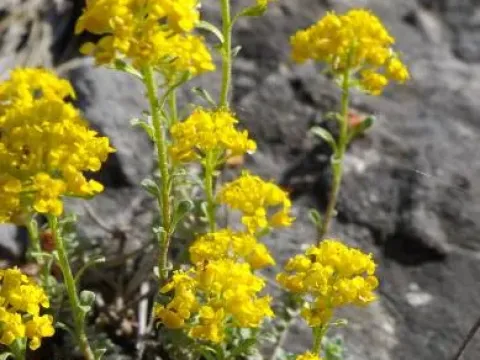
Alyssum serpyllifolium
Alyssum serpyllifolium
Sowing Alyssum serpyllifolium is best performed in early spring when the soil temperature stabilizes at approximately 10–12 degrees Celsius. For greenhouse propagation, seeds should be sown in trays during March using a well-draining, lightweight substrate.
What the section contains
Alyssum serpyllifolium
When sowing directly into the field, seeds should be scattered onto the surface of prepared soil and lightly pressed. Since the seeds require light to germinate effectively, they should not be deeply buried, but rather barely covered with a fine layer of sand.
Germination typically occurs within two weeks, provided that moisture levels remain consistent. Initial growth is often slow, necessitating careful management of competing weeds during the first few weeks to ensure young seedlings are not stifled.
Autumn sowing is also an option in temperate climates, allowing the seeds to undergo natural stratification. This method often results in more robust and vigorous seedlings as soon as the spring thaw begins.
Planting density should be managed to ensure adequate spacing, which is crucial for air circulation. Proper spacing prevents the microclimate within the plant canopy from becoming too humid, which is vital for long-term survival.
Belonging to the Brassicaceae family, Alyssum serpyllifolium is renowned for its hardiness and ability to thrive in challenging environments. It prefers rocky, sandy, or stony soils that ensure perfect drainage, as standing water is detrimental to its roots.
This species naturally adapts to low-nutrient, neutral, or slightly alkaline soils, making it an excellent candidate for rock gardens and dry, sunny slopes. Excessive soil enrichment can lead to weak, leggy growth rather than the desired compact form.
Full sun exposure is a non-negotiable requirement for this plant. It is adapted to the intense light of alpine regions and will fail to thrive if shaded, showing a marked decline in both growth density and flowering intensity.
While highly drought-tolerant once established, supplemental watering during prolonged dry spells can help maintain bloom quality. Water should be applied at the base of the plant to keep the foliage dry and reduce the risk of fungal infections.
Minimal maintenance is required regarding fertilization. Over-fertilization, especially with nitrogen-based products, should be avoided as it compromises the plant's natural, dense growth habit and reduces its overall stress resistance.
The primary concern for this crop is root rot caused by poor soil drainage. Ensuring that the planting site is well-drained and slightly elevated can significantly mitigate the risk of pathogen accumulation near the root zone.
Crucifer flea beetles are the most frequent insect pests, capable of causing rapid leaf damage. Monitoring for small pits on foliage is essential for early detection, and biological pest control measures are recommended where possible.
Caterpillars feeding on flower buds can reduce the plant's aesthetic value during the peak blooming season. Targeted removal of affected parts or the use of mild, targeted insecticides can effectively manage small infestations.
Powdery mildew may occur if planting conditions are too dense or if the site lacks sufficient air circulation. Improving spacing and removing stagnant debris around the plants helps prevent these issues from taking hold.
Maintaining clean planting beds and performing regular pruning after flowering helps rejuvenate the plants. This proactive approach ensures the plants remain healthy and less susceptible to the typical diseases of the Brassicaceae family.