
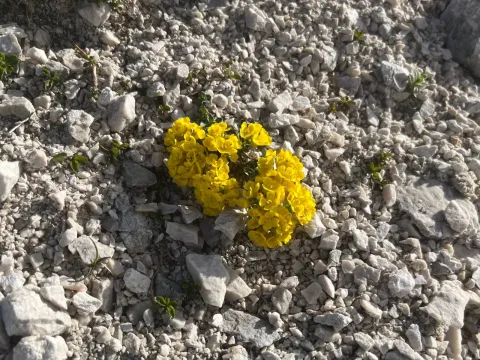
Alyssum ovirense
Alyssum ovirense
Seeds of Alyssum ovirense are typically sown in early spring, once the soil has warmed up. Sowing directly into well-prepared, loose soil in a sunny location is the preferred method for establishing healthy plants.
What the section contains
Alyssum ovirense
For an earlier start, seeds can be started indoors in seed trays during late winter. It is crucial to use a high-quality, free-draining seed-starting mix to prevent damping-off disease in young seedlings.
The seeds require light to germinate, so they should be surface-sown and only lightly pressed into the substrate. Maintaining constant moisture levels without waterlogging is vital during the germination phase.
Once seedlings have developed their first set of true leaves, they should be hardened off before transplanting into the garden. Providing adequate spacing is necessary to allow for the natural spread of the plants.
Late autumn sowing is also a viable option in many climates. This allows the seeds to undergo a natural winter stratification period, which often leads to more robust growth when spring temperatures arrive.
Alyssum ovirense belongs to the Brassicaceae family and is recognized for its adaptive nature in rocky, mountain environments. It typically forms low-growing, dense mats of foliage that make it an excellent choice for rockeries.
The plant thrives in nutrient-poor, gritty, and alkaline soils. It is essential to ensure that the site has excellent drainage, as the species is highly susceptible to root damage in stagnant water conditions.
Full sun is a non-negotiable requirement for this species. Without at least six to eight hours of direct sunlight per day, the plants will become leggy, lose their aesthetic shape, and produce very few flowers.
Once established, the plant is remarkably drought-tolerant. It is well-suited for xeriscaping or areas where supplemental irrigation is kept to a minimum, provided the soil drainage is managed correctly.
Fertilization should be handled with extreme caution. Over-fertilizing, particularly with nitrogen, will discourage flowering and create weak, succulent growth that is more prone to environmental stress and pests.
The primary threats to Alyssum ovirense are fungal infections related to excessive moisture, such as root rot and downy mildew. These issues are most prevalent in areas with poor airflow or heavy, water-retentive soils.
Crucifer flea beetles are a common pest that can severely damage young leaves. They cause characteristic shothole damage, which can weaken the plant and serve as an entry point for secondary bacterial infections.
Aphids can occasionally colonize the flower spikes during the blooming season. Their feeding stunts flower development, and they should be managed early with mild insecticidal soaps if populations reach damaging levels.
To reduce disease pressure, it is important to keep the crown of the plant clean and free of debris. Improving airflow through proper spacing is the most effective cultural practice to prevent fungal growth.
Weed management should be conducted manually to avoid damaging the delicate root system of the plant. A top-dressing of light-colored gravel or grit helps suppress weeds while also reflecting light and keeping the base of the plant dry.