
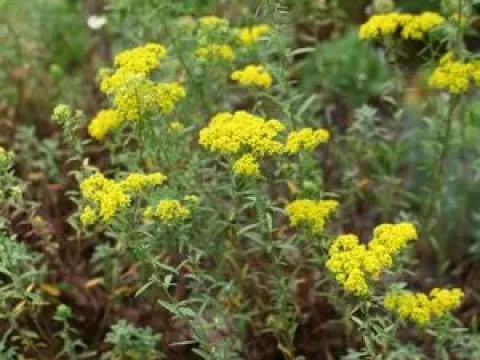
Alyssum murale
Alyssum murale
Sowing Alyssum murale is typically performed in early spring, as soon as the soil can be worked and begins to warm up.
What the section contains
Alyssum murale
The seeds are very small and should be sown on the soil surface, covered only lightly with soil or compost to maintain moisture.
Row spacing should be carefully maintained to ensure adequate airflow, which is critical for reducing the risk of fungal diseases.
In regions with mild winters, autumn sowing is an effective practice that allows for early germination as temperatures rise in the following spring.
Optimal germination rates are achieved when the substrate is kept consistently moist but not waterlogged during the establishment phase.
This plant is well-known for its extreme resilience and ability to thrive on infertile, rocky, and mineral-rich soils.
Full sun exposure is mandatory for Alyssum murale; it will not tolerate shaded locations and will lose its vigor if light is restricted.
It is exceptionally drought-tolerant once established, making it suitable for low-input agricultural systems and landscape restoration.
The plant is widely recognized in agriculture for its ability to accumulate heavy metals, such as nickel, acting as a hyperaccumulator in soil remediation.
Well-drained soil is the primary requirement, as the plant is highly susceptible to root rot if water is permitted to stagnate around the base.
Crucifer flea beetles are the most significant pest, frequently attacking young seedlings and potentially reducing stand density significantly.
Fungal issues, including downy mildew and powdery mildew, may occur during seasons characterized by high humidity or poor ventilation.
Root rot caused by Phytophthora species is a major threat in fields with poor drainage or heavy, clay-based soil profiles.
Effective pest management involves integrated practices such as early scouting and, when necessary, targeted insecticide applications.
Maintaining clean field edges and eliminating nearby weeds from the Brassicaceae family helps mitigate the spread of pests and diseases.
Harvesting for seed production occurs when the seed pods turn a mature, brownish-yellow color and the plants begin to dry out.
Harvesting should be conducted during dry weather to ensure that the moisture content of the seeds remains as low as possible during collection.
Direct combining is an option, although specialized headers are required to handle the delicate structure of the plants and avoid high shatter losses.
Post-harvest processing involves threshing and air-cleaning to remove chaff and fine debris, which is essential for high seed viability.
Proper storage is essential; seeds should be stored in a cool, dark, and dry environment to preserve their germination potential for the following season.