
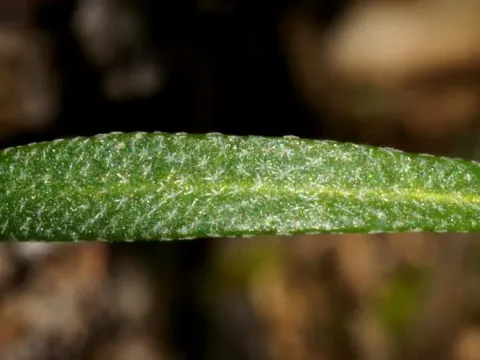
Alyssum linifolium
Alyssum linifolium
Alyssum linifolium is an annual herbaceous plant characterized by its rapid developmental cycle, often found in arid and semi-arid regions.
What the section contains
Alyssum linifolium
Sowing typically occurs in early spring, allowing the seeds to take advantage of soil moisture reserves accumulated during the winter period.
Seeds should be planted at a shallow depth, usually not exceeding 1.5 cm, to ensure successful germination and emergence under field conditions.
The plant exhibits high self-seeding capability, which makes it a resilient component of natural pastures and restored grasslands.
Spacing should be managed to ensure adequate sunlight penetration, which is vital for the development of dense, flowering stems.
Belonging to the Brassicaceae family, this species thrives in open, sunny environments with well-draining soil structures.
It is notably tolerant of low-nutrient soils, including rocky or alkaline substrates, making it an excellent candidate for phytoremediation.
The plant demonstrates significant drought resistance, as its biological traits are adapted to withstand the water limitations of its native range.
A neutral to slightly alkaline soil pH is preferred for optimal nutrient uptake and sustained vegetative growth throughout the season.
Temperature fluctuations are generally well-tolerated by this species, as it is evolutionary adapted to the continental climate of its habitats.
Common pests include crucifer flea beetles, which can cause significant damage to young seedlings during the early vegetative phase.
Pathogens such as downy mildew may appear under conditions of high humidity or poor field drainage, threatening plant health.
Aphids often target the inflorescences, potentially reducing seed production if infestations are not monitored and controlled effectively.
Integrated pest management strategies focusing on mechanical and biological controls are recommended to maintain field health.
Maintaining proper crop rotation cycles is crucial to break the life cycle of soil-borne pathogens that might affect the Brassicaceae family.