
Alyssum loiseleurii
Alyssum loiseleurii
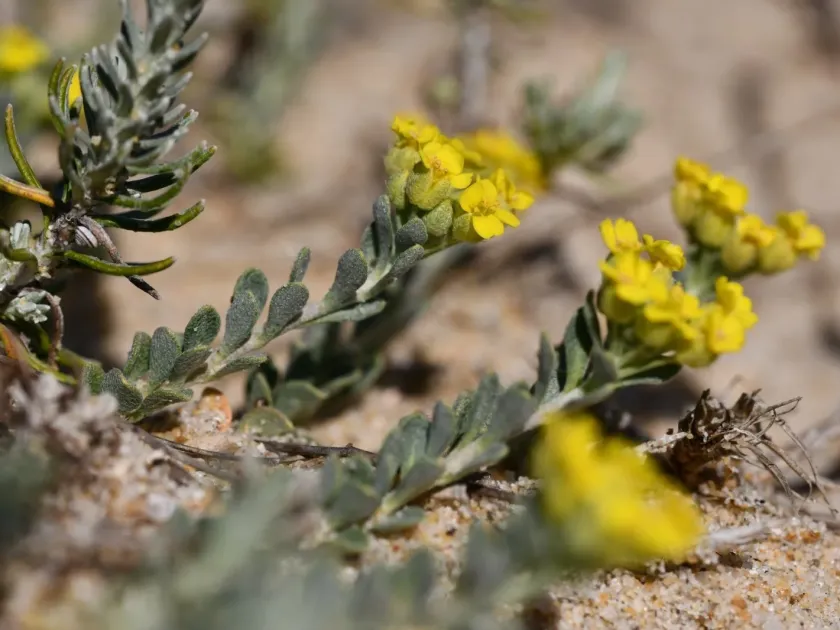
Description
Sowing dates
Sowing of Alyssum loiseleurii is ideally performed in early spring once the soil temperature reaches at least 10 degrees Celsius. In regions with mild climates, late April is considered the best window to avoid late frost damage.
Late autumn sowing is also a viable option. Seeds placed in the ground before the first frost will undergo natural stratification during the winter, often resulting in more robust germination when the soil warms in spring.
The seeds are very fine, requiring shallow planting. They should be broadcast onto the soil surface and barely covered with a light layer of substrate or sand. This ensures enough light reaches the seeds for proper germination.
When starting in trays or greenhouse conditions, sow seeds in early March. Proper thinning or pricking out is required once the first true leaves appear to prevent competition for resources among seedlings.
When transplanting into the field, ensure a spacing of approximately 25 centimeters between plants. This density is sufficient to create a continuous cover while allowing each individual plant enough airflow to stay healthy.
Growing requirements
Alyssum loiseleurii belongs to the Brassicaceae family and thrives in full sun exposure. Sunlight is essential not only for the vegetative growth but also for the intensity of its signature flowering during the season.
The plant performs best in well-draining, sandy, or rocky soil types. It is highly sensitive to waterlogging, as standing water in the root zone quickly triggers decay; therefore, a sloped or well-drained site is mandatory.
This species shows remarkable drought tolerance once established. While regular moisture is beneficial during the early stages of growth, mature plants can withstand extended dry spells without losing their structural integrity.
Temperature tolerance is broad, as the species is adapted to temperate conditions. It prefers moderate temperatures between 18 and 26 degrees Celsius, though it can survive higher heat if humidity remains relatively low.
Soil fertility requirements are generally low. Over-fertilization, especially with nitrogen, should be avoided as it encourages excess foliage growth at the expense of floral display and may reduce the plant's natural hardiness.
Main diseases and pests
Powdery mildew is the most common disease associated with this plant, especially when humidity levels remain high or airflow between plants is restricted. Proper spacing remains the primary method of preventing this fungal outbreak.
Root rots are frequently caused by poor soil drainage. If the soil remains saturated for long periods, the roots lose the ability to exchange oxygen, leading to rapid wilting and eventual death of the entire plant.
Crucifer flea beetles are the primary insect pests affecting members of the Brassicaceae family. They pose a significant threat to young plants, as they chew small holes in the leaves, potentially stunting growth if left unchecked.
Larvae of the diamondback moth or other cabbage pests may occasionally feed on the foliage. Monitoring is necessary, and applications of organic-approved pesticides can be utilized if the pest population threshold is exceeded.
Sanitation practices such as removing crop debris after the season and controlling weeds that might serve as alternative hosts are crucial. A sound crop rotation strategy is the best defense against long-term pest and disease issues.