
Alyssum granatense
Alyssum granatense
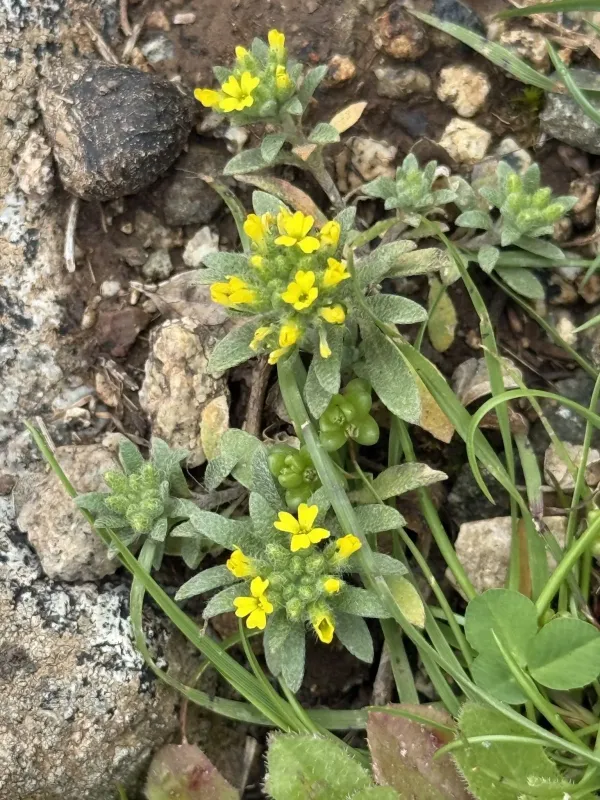
Description
Sowing dates
Alyssum granatense is an annual plant whose sowing period is closely linked to Mediterranean climatic conditions. In its native range, seeds are typically sown in late autumn, allowing the plants to establish root systems before the onset of the intense summer drought.
When cultivating this species, sowing depth should be kept shallow, between 0.5 and 1 centimeter. Because the seeds are very small, achieving optimal soil-to-seed contact is essential for uniform germination across the field.
It is recommended to prepare a fine, weed-free seedbed to minimize competition during the early growth stages. Row spacing should be adjusted to facilitate mechanical maintenance and ensure adequate airflow between individual plants.
In regions with milder winters, spring sowing is feasible, provided the soil temperature has consistently reached 10-12 degrees Celsius. Proper moisture management immediately after sowing is critical to support the delicate initial development of the seedlings.
The total duration from emergence to full vegetative maturity is relatively short, allowing for flexible harvest scheduling depending on the specific objectives of the cultivation program.
Growing requirements
As a member of the Brassicaceae family, Alyssum granatense thrives in environments characterized by high solar radiation. The plant prefers open, sunny locations where it can maximize photosynthesis without the risk of shading from neighboring vegetation.
The species demonstrates a clear preference for well-drained, calcareous soils. It possesses excellent tolerance for nutrient-poor substrates, making it an adaptable choice for areas with challenging soil conditions where more demanding crops might fail.
Water management is a key factor; the plant is naturally adapted to aridity and sensitive to waterlogging. Excessive moisture in the root zone can be detrimental, leading to physiological stress and increased susceptibility to soil-borne pathogens.
The temperature regime should mimic a Mediterranean climate, featuring mild winters and hot, dry summers. Alyssum granatense is particularly resilient to temperature extremes that often occur in open, exposed agricultural landscapes.
Balanced fertilization, with a focus on phosphorus and potassium rather than nitrogen, is recommended to encourage healthy growth and structural integrity of the plant stems, preventing premature lodging.
Main diseases and pests
The primary threats to Alyssum granatense are fungal diseases, particularly those that thrive in humid or stagnant air conditions. Downy mildew and various forms of leaf spot can significantly impact the quality of the crop if not monitored properly.
Crucifer flea beetles are the most common insect pests encountered during the early seedling stage. They can cause severe defoliation if left unchecked, requiring immediate intervention through scouting and appropriate protective measures.
Root rot pathogens, such as Pythium and Rhizoctonia, are frequently associated with poor soil drainage and improper irrigation practices. Implementing a rigorous crop rotation schedule is the most effective preventative strategy against these organisms.
Aphid infestations can occur during the reproductive growth phase, affecting the plant's vitality and overall yield. In integrated pest management systems, the use of biological controls or organic-compliant sprays is generally preferred to minimize environmental impact.
Maintaining high agronomic standards, such as keeping fields free of host weeds and ensuring adequate space between plants, is the most effective way to prevent the establishment of major diseases and pests.