
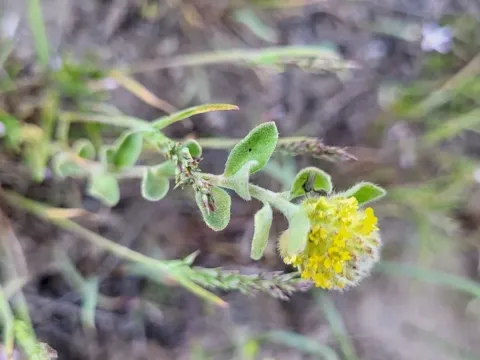
Alyssum dasycarpum
Alyssum dasycarpum
Alyssum dasycarpum is an annual herbaceous plant belonging to the Brassicaceae family. Naturally occurring in arid regions of Central Asia and the Caucasus, this species has evolved to thrive in harsh environments characterized by poor soils and limited rainfall.
What the section contains
Alyssum dasycarpum
The plant is highly heliophilic and drought-resistant, making it suitable for regions with intense solar radiation. It prefers open, well-lit spaces where it can complete its life cycle without competition from taller vegetation.
Regarding soil requirements, Alyssum dasycarpum demands excellent drainage. It is commonly found on rocky, stony, or calcareous soils where water does not stagnate, as excessive soil moisture can cause root rot.
Its morphological adaptations include a pubescent (hairy) surface of the leaves and stems, which reduces transpiration rates and protects the plant from overheating in arid climates. This feature makes it highly resilient to extreme heat.
In terms of growth structure, the plant forms a low-growing rosette with compact inflorescences of small yellow flowers. Its rapid growth cycle allows it to reach maturity early in the season, capitalizing on early spring moisture before the onset of the summer drought.
Sowing Alyssum dasycarpum is typically performed in early spring as soon as the soil reaches a temperature of 5-8 degrees Celsius. Early seeding is crucial for the plant to establish its root system before the dry season commences.
The seeds should be sown at a shallow depth, usually 1-2 cm, to ensure successful germination. Due to their small size, excessive covering of the seeds with soil can hinder emergence and result in uneven crop stands.
Row spacing should be maintained at 20-30 cm to allow for sufficient air circulation and to facilitate mechanical weeding. Maintaining an open canopy is essential for preventing the buildup of humidity around the stems.
Regular monitoring of moisture levels during the germination phase is beneficial, though the plant becomes increasingly drought-tolerant as it matures. Once established, the culture requires very little supplemental irrigation.
Thinning should be performed if the stand becomes too dense, as crowding often leads to poor development and higher susceptibility to fungal infections. Aim for a moderate planting density to ensure each plant receives optimal resources.
The most common disease affecting this crop is downy mildew, particularly during seasons with abnormal rainfall. Symptoms include yellow spotting on the leaves, which can lead to significant biomass loss if not addressed.
Crucifer flea beetles are the primary insect pests that pose a threat to Alyssum dasycarpum. These insects target the seedlings in the initial growth stages, often causing severe damage to leaves and hindering early plant development.
Aphid infestations can occur during the budding stage, causing deformation of the flowers and reducing the overall quality of the seeds. High populations of these pests can also transmit viral infections between plants.
Crop rotation is the most effective preventative measure against these threats. Avoiding cultivation in fields previously occupied by other Brassicaceae species helps reduce the risk of soil-borne diseases and persistent pest populations.
For pest control, integrated management practices are recommended. This includes the use of biological control agents where possible and the application of pesticides only when economic thresholds are exceeded, always following safety guidelines.