
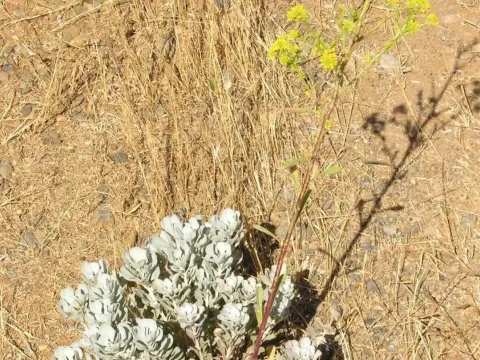
Corsican alyssum
Alyssum corsicum
The sowing of Corsican alyssum seeds is typically performed in early spring once the danger of hard frosts has completely passed in the region.
What the section contains
Corsican alyssum
For container or rock garden cultivation, seeds are sown on the surface of the soil, as they require light to germinate effectively and evenly.
If started indoors, seeds should be sown in a sterile, light potting mix and kept in a bright location at a temperature of around 15–18 degrees Celsius.
Seedlings should be hardened off before being transplanted into their permanent outdoor locations to ensure they adapt to ambient environmental conditions.
Proper spacing is crucial for this species; maintaining 25–30 centimeters between individuals prevents overcrowding and promotes better airflow through the foliage.
Corsican alyssum belongs to the Brassicaceae family and is native to the Mediterranean region, where it thrives in rocky and calcium-rich environments.
This species is highly demanding of sunlight and should be planted in full exposure sites where it will receive at least six hours of direct sun daily.
Soil quality should be gritty, well-draining, and slightly alkaline, mimicking the natural limestone-based habitats typical of the island of Corsica.
It demonstrates remarkable drought tolerance once established, making it an excellent candidate for xeriscaping or traditional rock garden designs.
Supplemental fertilization is rarely needed if the plant is grown in its preferred natural soil, although light mineral feeding can boost blooming density.
Cruciferous flea beetles represent the primary pest risk, capable of causing significant defoliation to young plants during the initial growth stages.
Powdery mildew is the most common fungal disease, typically occurring in environments with poor air circulation or excessive ambient humidity levels.
Root rot is a major threat in soils that retain moisture for too long, underscoring the vital importance of planting in well-drained locations.
Slugs and snails may occasionally feed on the lower leaves, especially in dense plantings that provide sufficient shade and moisture for these mollusks.
- Ensuring good drainage for the root system.
- Maintaining adequate spacing to improve airflow.
- Monitoring for early signs of beetle infestation.