
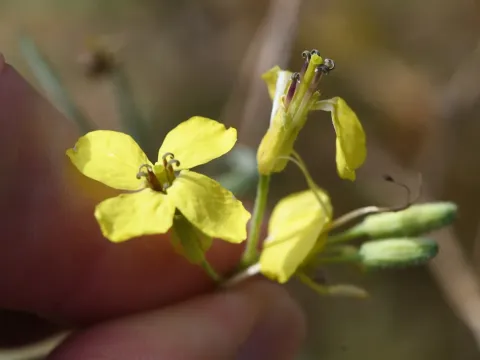
Coincya wrightii
Coincya wrightii
Coincya wrightii is a distinct member of the Brassicaceae family. Understanding its lifecycle is essential for successful cultivation, as the plant responds significantly to seasonal climatic shifts and soil preparation.
What the section contains
Coincya wrightii
Sowing should occur when temperatures stabilize in the early spring. The seeds are small and require a firm, level seedbed to ensure consistent germination rates and uniform emergence of seedlings across the field.
Precise planting depth is crucial; burying seeds too deep will severely hinder emergence. A depth of approximately 1 centimeter is generally recommended for optimal results in varied soil conditions.
Adequate soil moisture during the initial phase of germination is vital. If irrigation is not available, timing the sowing to align with historical rainfall patterns can improve the success rate of the stand establishment.
Row spacing should be calibrated to prevent plant overcrowding, which can otherwise lead to increased competition for nutrients and reduced vigor in individual plants throughout the growing season.
This species thrives in well-drained, alkaline or neutral soils. It exhibits poor performance in compacted or waterlogged ground, which increases the risk of root rot and overall plant failure.
Sunlight exposure is a primary requirement for the healthy development of Coincya wrightii. Shade-prone areas should be avoided, as they negatively affect photosynthesis and growth efficiency.
Mineral nutrition management should focus on maintaining a healthy balance of macro and micronutrients. While the plant is hardy, it benefits from soil testing to ensure no major deficiencies exist before planting.
Regular cultivation and weeding are necessary to manage competition from invasive species. Maintaining clean fields during the early growth stages is particularly important for achieving maximum plant health.
Climate tolerance of the species is generally high in temperate regions, though extreme temperature spikes or prolonged droughts should be mitigated with supplemental water where possible.
The primary threats to Coincya wrightii include crucifer-specific pests, most notably flea beetles, which can cause significant damage to foliage if left unchecked during the initial seedling growth.
Fungal diseases, such as downy mildew, represent a significant concern in high-humidity conditions. Proper air circulation and field sanitation are the best defenses against these widespread pathogens.
Integrated pest management strategies are recommended, emphasizing the use of beneficial insects and biological agents where possible to reduce dependence on chemical interventions.
Monitoring for signs of stress, such as leaf yellowing or stunted development, is essential for identifying potential threats before they escalate into major outbreaks within the crop.
Keeping the agricultural area free of debris and leftover crop residues helps reduce the overwintering population of pests and pathogens, ensuring a healthier start for subsequent seasons.