
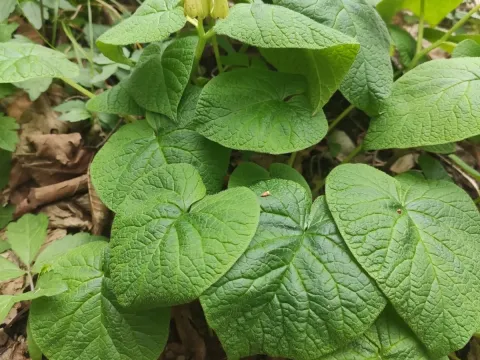
Heart-leaved comfrey
Symphytum cordatum
Heart-leaved comfrey (Symphytum cordatum) is a perennial herbaceous plant belonging to the Boraginaceae family. It is distinct from the common comfrey due to its heart-shaped leaves and native adaptation to the shady, moist forest environments of the Carpathian region.
What the section contains
Heart-leaved comfrey
The plant thrives in nutrient-rich, humus-heavy soils with neutral to slightly acidic pH levels. It exhibits high shade tolerance, making it an ideal choice for understory cultivation or agroforestry systems where other crops might struggle due to limited direct sunlight.
Cultivation requires stable soil moisture throughout the growing season. While the plant is robust, supplemental watering is necessary during prolonged dry spells to ensure maximum foliage production, which is the primary source of biomass for organic fertilizers.
Agrotechnical practices include annual organic mulching and the maintenance of soil structure through minimal tillage. Comfrey is a dynamic accumulator, drawing minerals such as potassium from deep soil layers, which makes its harvest highly beneficial for composting and garden soil enrichment.
The plant is typically propagated by root cuttings or division of established clumps, ensuring quick establishment in the field. Once settled, a comfrey patch can produce significant biomass for several years with minimal intervention, contributing to sustainable land management.
Heart-leaved comfrey is generally resistant to most common agricultural pests and diseases. However, in poorly ventilated or excessively humid conditions, powdery mildew can emerge as a primary concern, manifesting as white patches on the leaves.
Slugs and snails can present a challenge during the early spring growth phase. Preventive measures, such as maintaining clear rows and using physical barriers, are usually sufficient to manage these pests without relying on heavy chemical interventions.
Root rot is the most significant threat to plant longevity, usually resulting from inadequate drainage or waterlogging. Ensuring the site has proper slope or subsurface drainage is the most effective way to prevent the loss of perennial stands.
Rust diseases might occasionally appear under specific weather conditions involving high humidity and moderate temperatures. Regular monitoring and removing severely affected foliage can help prevent the spread of fungal spores across the entire plot.
Maintaining proper spacing between plants is crucial to ensure airflow and reduce the humidity levels within the plant canopy. A well-managed plantation generally maintains high health standards, rarely requiring intensive pest control programs.