


Alfa-Prometrin
Zhejiang Zhongshan Chemical Industry Group Co., Ltd.
Herbicides
1
1
20 offers
4.92 €per pack
Buy

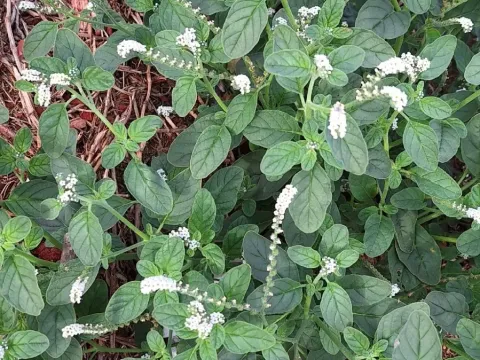
Heliotropium L.
Heliotropes, belonging to the Boraginaceae family, are typically grown as annuals in temperate climates. Seeds should be sown indoors in late February or early March to ensure enough time for the plant to mature before the summer season.
For successful germination, a soil temperature of +20°C to +25°C is required. Seeds are small and should be pressed into the surface of the soil rather than buried deep, ensuring consistent moisture levels throughout the process.
Seedlings should be transplanted into individual pots once they develop their first set of true leaves. Pinching back the main stems is a standard horticultural practice to encourage denser growth and a higher number of flower clusters.
Plants can be hardened off and moved to the garden once all risks of frost have passed. Heliotropes thrive in warm soil, making late spring the ideal time for final planting outdoors.
Proper spacing is essential to allow for airflow between plants. Aim for a distance of at least 25 to 30 centimeters between specimens to prevent the development of moisture-related issues.
Heliotropium requires full sunlight to achieve its maximum potential. Placing the plants in an area with at least six to eight hours of direct sun daily is necessary for vibrant flower color and robust growth.
The soil should be rich in organic matter and well-draining. While the plant loves moisture, it cannot tolerate "wet feet," so avoid heavy clay soils that retain water and may cause root rot.
Consistent watering is crucial for heliotropes, especially during hot, dry summer days. Keep the root ball evenly moist, but prevent stagnant water in the tray or the planting pit to maintain plant health.
Applying a balanced liquid fertilizer every two weeks during the active growing season will promote steady development and intense flowering. Foliar feeding can also be beneficial if the plant shows signs of nutrient deficiency.
Gardeners should perform regular deadheading of spent flowers. This not only keeps the plant looking tidy but also encourages the plant to direct its energy into producing new blooms until the autumn frosts arrive.
Spider mites are a major pest for heliotropes, particularly in hot and dry conditions. They damage the foliage by sucking sap, which causes leaves to look mottled or dusty, eventually leading to senescence.
Aphids are frequent visitors that tend to congregate on tender new growth and flower buds. Early detection is key; manual removal or the use of horticultural soap can prevent an outbreak from spreading.
Whiteflies can infest the undersides of the leaves, weakening the plant significantly. Management involves maintaining high hygiene in the garden and applying insecticidal treatments when the pest population is identified.
Gray mold, caused by Botrytis, is a common fungal threat in humid environments. To mitigate this risk, it is important to provide sufficient space between plants and avoid overhead watering that keeps the foliage wet for too long.
Powdery mildew may occur when temperatures fluctuate significantly. To reduce its impact, ensure proper sunlight exposure and maintain good soil drainage to keep the plant in a state of high physiological resistance.