
Heliotropium baclei
Heliotropium baclei
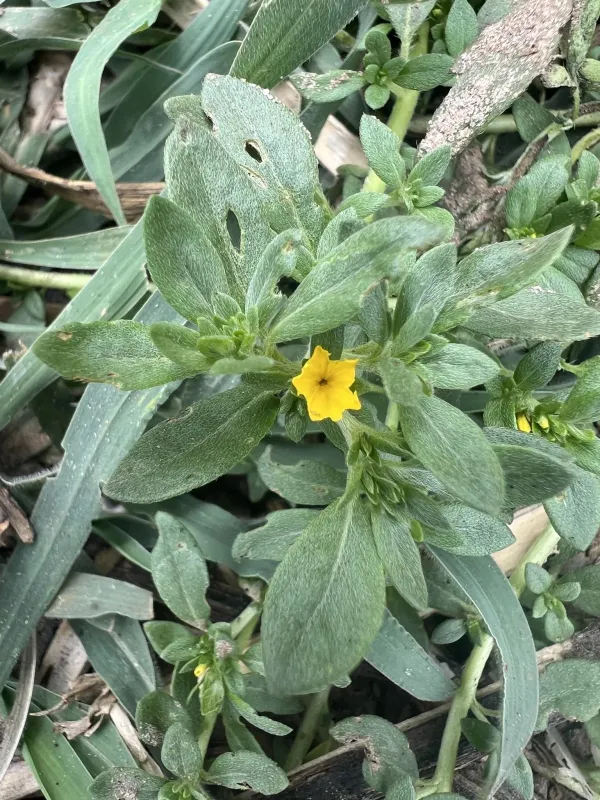
Description
Sowing dates
The sowing of Heliotropium baclei seeds typically occurs in late winter or early spring to ensure the seedlings reach sufficient maturity before transplanting.
A light, porous, and nutrient-rich growing medium is essential to allow the developing roots to establish themselves effectively in the early stages.
As the seeds are light-sensitive, they should be sown on the surface of the soil with minimal coverage, ensuring they are not buried too deeply.
Temperature control is crucial during the germination phase, with an ideal range between 20–22 degrees Celsius to promote uniform emergence.
Once true leaves develop, seedlings should be pricked out into individual pots to foster a robust root system, allowing for healthier growth post-transplant.
Growing requirements
Heliotropium baclei belongs to the Boraginaceae family and is native to South American regions, requiring specific environmental conditions for optimal health.
The species is highly demanding in terms of solar exposure, requiring full sun to maintain a compact shape and maximize the production of aromatic flowers.
Soil structure should be fertile and well-drained, as the plant is sensitive to waterlogged conditions that can lead to rapid decline and root health issues.
Moderate but consistent irrigation is required throughout the growing season to prevent drought stress while ensuring the soil remains moist but never saturated.
Regular fertilization with balanced nutrients supports vigorous flowering, which is the primary horticultural value of this specialized member of the genus.
Main diseases and pests
The primary insect pests affecting Heliotropium baclei include spider mites and aphids, which can quickly colonize the leaves and stems in dry conditions.
High humidity combined with poor ventilation often leads to the development of gray mold (Botrytis), which can compromise the structural integrity of the plant.
Root rot pathogens are a persistent threat if the growing medium lacks proper drainage or if the plant is subjected to excessive watering during cool periods.
Whiteflies are known to infest the plant, particularly in sheltered environments or greenhouses, requiring proactive monitoring and timely treatment.
Integrated pest management, including the use of targeted systemic insecticides and fungicides, is recommended to keep the plant in a healthy condition.