
Heliotropium bovei
Heliotropium bovei
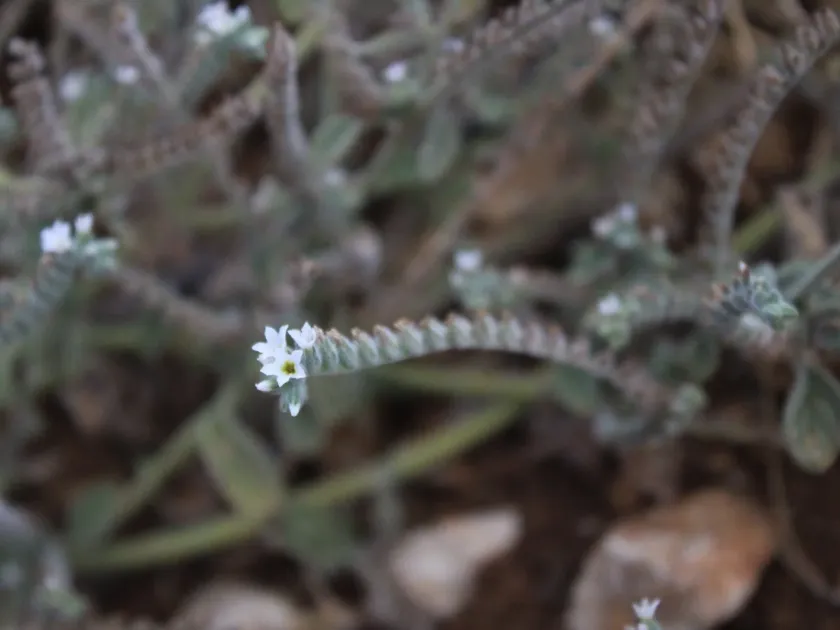
Description
Growing requirements
Heliotropium bovei is a flowering herbaceous plant belonging to the Boraginaceae family. It is recognized for its adaptation to harsh environments, making it a subject of interest in specialized floriculture and arid-land plant studies.
The species originates from the arid and semi-arid regions of the Middle East and Northern Africa. It is botanically adapted to survive in rocky, sandy, and nutrient-poor soils, demonstrating high resilience to extreme heat.
Successful cultivation requires a substrate with exceptional drainage capacity. The plant is prone to root asphyxiation if water accumulates in the root zone, hence the importance of utilizing sandy or gravel-amended soil mixes.
Exposure to full sunlight is critical for the healthy development of Heliotropium bovei. When grown in shaded conditions, the plant undergoes etiolation, leading to weak, spindly stems and reduced photosynthetic efficiency.
In terms of temperature requirements, the plant prefers warm, stable conditions. It lacks frost tolerance, requiring temperatures to be consistently above freezing point to maintain vegetative activity throughout the growing season.
Main diseases and pests
Fungal pathogens associated with high soil moisture, such as Phytophthora or Pythium species, represent the primary threat to this crop. Managing soil moisture via controlled irrigation is the most effective preventative measure.
Pest management focuses largely on sap-sucking insects like spider mites and whiteflies. These pests exploit the plant's physiological stress during high-temperature periods, necessitating a proactive monitoring approach.
Powdery mildew represents a common foliage disease, especially in environments where humidity levels fluctuate significantly during the day. Maintaining proper air circulation between plants is essential to mitigate this risk.
Aphids occasionally infest terminal buds, causing leaf curling and stunted growth. If biological control agents, such as lacewings or ladybugs, are insufficient, targeted interventions with soft soap solutions or biorational insecticides are recommended.
Crop sanitation is vital for long-term health. The prompt removal of necrotic foliage and the maintenance of a weed-free zone around the plants help reduce the reservoir for both insect pests and fungal spores.