
Green hound's tongue
Cynoglossum germanicum
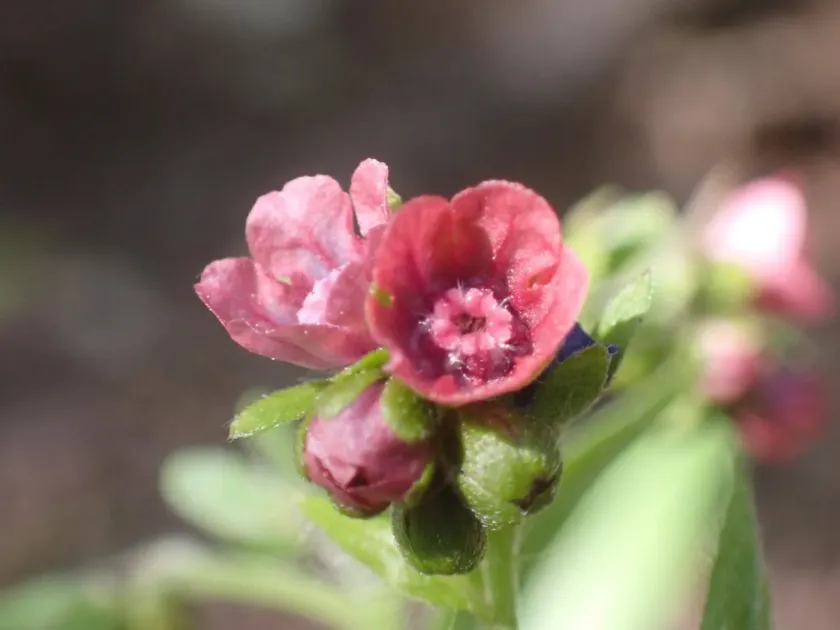
Description
Sowing dates
Green hound's tongue is a biennial herbaceous plant belonging to the Boraginaceae family, which typically requires a cold dormancy period to germinate effectively.
Seeds are usually sown directly into the soil in late autumn, allowing for natural stratification during the winter months before spring growth begins.
The optimal soil preparation involves creating a fine tilth, ensuring the seeds have good contact with the moisture-retaining soil structure.
Spacing should be managed to ensure that the basal leaf rosettes have sufficient room to expand during the first year of development.
Thinning is necessary shortly after germination to prevent overcrowding, which can lead to stunted growth and reduced vigor in later stages.
Growing requirements
This species thrives in areas with full sun to partial shade, showing good adaptability to different light conditions within its native range.
Soil requirements are quite specific, as the plant prefers calcareous or nutrient-rich neutral soils to support its physiological needs.
Good drainage is an essential factor, as the plant is sensitive to waterlogged conditions, which can lead to the rotting of the taproot system.
While the plant is somewhat drought-tolerant once established, providing regular water during the intense heat of summer promotes healthier foliage.
Proper airflow is critical, so planting in sites with natural ventilation helps in mitigating humidity-related stress on the plants.
Main diseases and pests
The most significant threats to this culture include various fungal infections, such as powdery mildew, which thrive in humid and poorly ventilated conditions.
Root rot caused by stagnant moisture remains a primary concern, emphasizing the need for selecting sites with excellent soil structure.
Pests like aphids and certain species of beetles may feed on the leaves, potentially damaging the aesthetic and chemical quality of the crop.
Monitoring the plants throughout the season for signs of discoloration or wilting is key to implementing effective pest control strategies.
Integrating cultural practices like crop rotation helps to minimize the buildup of soil-borne pathogens and long-term pest pressure.