
Halacsya
Halacsya
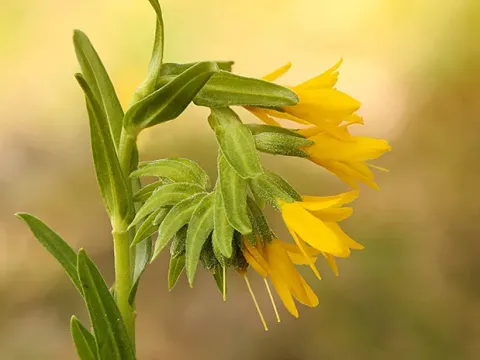
The genus Halacsya belongs to the Boraginaceae family and consists of perennial herbaceous plants. In their natural habitat, these plants are primarily found in the specific high-altitude mountain environments of the Balkan Peninsula.
What the section contains

Halacsya
This crop prefers stony limestone substrates typical of alpine and subalpine belts. It is extremely sensitive to excessive soil moisture; therefore, excellent drainage is mandatory for successful growth and development.
The plant demonstrates high adaptability to sharp temperature fluctuations and strong winds characteristic of mountainous regions. Under cultivation, it is essential to provide conditions that closely mimic its natural rocky habitat.
The soil for cultivation should be poor, with a neutral or slightly alkaline pH reaction. Heavy clay soils are detrimental to the root system of Halacsya, as they retain water, leading to rot and fungal infections.
The plant is categorized as a slow-growing species, which requires patience from the agronomist when establishing new plantations. It features characteristic leaf pubescence, which serves as a protective mechanism against intense solar radiation.
The primary threat to members of this genus is fungal diseases that develop under conditions of water stagnation. Root rot is the most common cause of specimen death when irrigation practices are neglected.
Pests typical of the Boraginaceae family may include various leaf-chewing insects and aphids, especially during the active sap flow period in spring. Regular inspection of the plants allows for timely mitigation of infestations.
Excessive air humidity during the summer season may also facilitate the development of powdery mildew on the leaf surfaces. Copper-based fungicides should be used for control, strictly adhering to recommended dosages.
Weeds pose a significant challenge for Halacsya due to its slow growth rate during early life stages. Weeding must be performed exclusively by hand to avoid damaging the fragile root system.
Root damage caused by rodents can be a critical factor, especially during the winter period when the plants are in a state of dormancy. Protecting the perimeter of the planting site is a necessary measure for maintaining population health.