
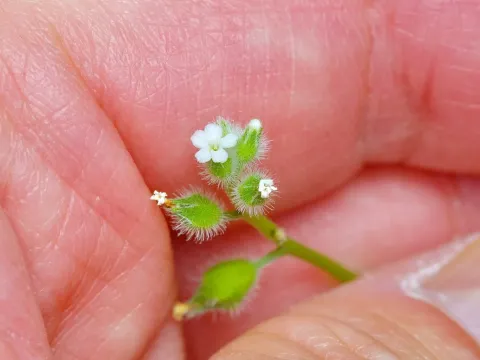
Large-seeded forget-me-not
Myosotis macrosperma
Myosotis macrosperma, a member of the Boraginaceae family, is typically grown from seeds. The optimal time for sowing is during early spring or autumn, depending on the climatic zone and the specific objectives of the cultivation project.
What the section contains
Large-seeded forget-me-not
Seeds should be sown at a very shallow depth, as they require light to germinate effectively. A fine, well-aerated seedbed is essential to ensure consistent emergence of the seedlings within two weeks under favorable conditions.
When starting in containers, it is recommended to use a sterile, well-draining substrate to prevent dampening off. Proper humidity control is crucial during the early stages of development to maintain seedling vigor and health.
Direct field sowing requires adequate space between plants, usually around 15–20 centimeters. This spacing is vital for air circulation, which prevents the buildup of humidity around the foliage and reduces disease pressure.
Successive sowing can be practiced to extend the flowering period throughout the season. Maintaining weed-free conditions during the germination phase is critical to ensure that young plants have access to sufficient nutrients and sunlight.
The species thrives in moist, well-draining soils with a neutral to slightly acidic pH. While it is adaptable to various soil types, rich loamy soil provides the best conditions for robust vegetative growth and flower production.
Regarding light, Myosotis macrosperma performs well in locations ranging from full sun to partial shade. Partial shade is often preferred in warmer regions to protect the plants from excessive heat and direct scorching rays during mid-day.
The plant is relatively cold-hardy, making it suitable for various temperate climates. However, it is sensitive to extreme drought and heat, which necessitates supplemental irrigation during dry periods to ensure plant vitality.
Soil nutrient management should focus on balanced fertilization. Excessive nitrogen application should be avoided as it encourages leafy growth at the expense of floral development and seed production efficiency.
Adequate water management through drip irrigation is highly recommended for commercial cultivation. This method minimizes direct contact between water and foliage, thereby reducing the risk of fungal outbreaks in the field.
Powdery mildew is a primary concern in densely planted areas with poor ventilation. Regular scouting and the application of appropriate cultural practices, such as thinning, are essential for effective management.
Aphids can cause significant damage to young shoots by feeding on plant sap. Early detection and the use of integrated pest management strategies are crucial to minimize impact without harming beneficial pollinator populations.
Root rot, often caused by waterlogged soil, can lead to sudden plant decline. Ensuring proper soil structure and drainage is the primary defense against this silent yet destructive agricultural threat.
Nematodes, which attack the root system, can result in stunted growth and chlorosis. Adhering to strict crop rotation and using certified healthy seed stock are effective strategies for avoiding soil-borne infestations.
Gastropods like slugs and snails may pose a threat during humid weather, especially to tender seedlings. Implementing mechanical barriers or using eco-friendly bait can effectively protect the plants during their most vulnerable growth stages.