
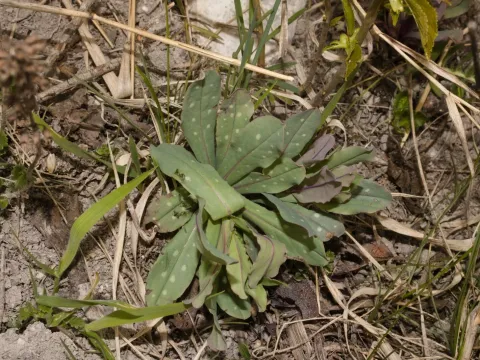
Lesser honeywort
Cerinthe minor
Lesser honeywort is typically sown in open fields during the spring, once the soil temperature is sufficiently warm to support germination. Late April to early May is generally considered the optimal window for establishing this crop in most temperate regions.
What the section contains
Lesser honeywort
The seeds have a high rate of germination and should be sown at a shallow depth of approximately 1 to 2 centimeters. Maintaining uniform seed distribution is essential to ensure a dense and productive stand across the field, which helps in weed suppression.
Whether the crop is intended for honey production or as a green manure, both row seeding and broadcast methods are effective. After spreading the seeds, a light harrowing is recommended to cover them with a thin layer of soil to ensure good moisture contact.
Adequate soil moisture is critical during the first two weeks post-sowing to support the development of young seedlings. In regions with dry spring weather, supplementary irrigation may be necessary to maximize the emergence rate and overall crop density.
In milder climates, fall sowing is also possible, allowing the plants to germinate early the following season. This approach utilizes winter moisture effectively and provides a head start on vegetative growth before the heat of summer arrives.
As a member of the Boraginaceae family, Lesser honeywort is appreciated for its resilience and adaptability to various environmental conditions. It thrives best in well-lit, sunny areas, although it can tolerate partial shade throughout the day without significant loss in yield.
This crop is not highly demanding regarding soil fertility and can successfully grow in various soil types, including loam, sandy loam, and clay-based soils. The ideal substrate is loose and well-drained, with a neutral to slightly alkaline pH level.
Lesser honeywort demonstrates excellent drought tolerance, making it a suitable candidate for cultivation in arid or semi-arid regions. It is highly sensitive to waterlogging, so fields with poor drainage should be avoided to prevent root system damage.
While the plant does not require high levels of fertilization, the application of modest amounts of organic or mineral fertilizers during the early growth phase can stimulate more vigorous vegetative production and increase the number of flowers per plant.
The optimal temperature range for the development of Lesser honeywort is between 18 and 25 degrees Celsius. The crop exhibits decent frost resistance, particularly in its early growth stages, allowing it to survive unexpected cold snaps common in late spring.
One of the primary benefits of Lesser honeywort is its natural resistance to many common agricultural pests and diseases. This hardiness reduces the need for frequent pesticide interventions and lowers the overall cost of production for the farmer.
Root rot is the most common health issue, typically triggered by excessive soil moisture or poor drainage conditions. To prevent this, agronomists recommend maintaining good field hygiene and ensuring that the soil structure supports efficient water movement.
Aphids occasionally target the soft tissue of the plant during the peak of its growth, particularly on younger leaves and developing flower buds. Regular field scouting is advised to detect early infestations and intervene manually or with targeted ecological methods if necessary.
Effective crop rotation is crucial to prevent the build-up of soil-borne pathogens. It is recommended to avoid planting Lesser honeywort on plots that previously housed other members of the Boraginaceae family to minimize the risk of recurring diseases.
Overall, the crop is considered very low-maintenance. By adhering to proper spacing and moisture management, farmers can maintain a healthy, productive field with minimal risk of significant losses to disease or pest activity.
The harvesting approach for Lesser honeywort depends on the intended end-use of the crop. For beekeeping and honey production, the harvest is natural, with honeybees collecting nectar directly from the flowers during the long and extended blooming season.
For those cultivating it as a green manure or cover crop, the plants should be mowed down just as they enter the peak flowering phase. This is the moment when the plants contain the highest concentration of nutrients, which are then incorporated back into the soil.
Seed harvesting should occur after the pods have darkened, indicating maturity. Timing is essential, as the seeds have a tendency to shatter and drop on the field once they are fully ripe, which can lead to significant yield losses if not managed promptly.
Mechanical harvesting using standard combines is possible if the equipment is properly adjusted to be gentle on the seeds. Avoiding excessive cylinder speeds is key to preventing seed damage and ensuring that the material remains high-quality for storage.
Once harvested, the seed material must be cleaned of debris and dried in a well-ventilated area before long-term storage. Keeping the seeds in a cool, low-humidity environment ensures that their viability remains high until the next sowing season.