
Lindelofia
Lindelofia
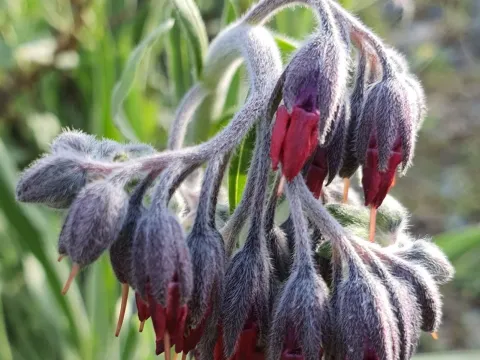
Lindelofia is a genus of perennial herbaceous plants belonging to the Boraginaceae family, often used in ornamental gardening for their attractive inflorescences.
What the section contains


Lindelofia
Seeds are typically sown in the open ground during late autumn or early spring, provided they have undergone a stratification period to ensure successful germination.
When planting, seeds should be placed at a depth of 1–2 centimeters in well-drained, fertile soil to ensure optimal contact with the substrate.
Using a greenhouse or seed trays for early starts in late winter is recommended to produce healthy seedlings before the arrival of the spring season.
Transplanting to the final location should occur after the danger of frost has passed, ensuring the plants have enough time to establish their root systems.
The plant thrives in full sun or light shade, requiring sufficient natural light to develop its characteristic flowers and healthy foliage throughout the season.
Soil quality is crucial for Lindelofia; it prefers light, loamy, and well-draining soils that prevent waterlogging and facilitate healthy root respiration.
Watering should be balanced; while the plant requires moisture during the growth phase, it is vital to avoid excessive dampness that can trigger root decay.
Lindelofia is generally hardy and can withstand varying weather conditions, making it a reliable choice for temperate climate regions without the need for coverage.
Regular maintenance including weeding and controlled fertilization helps the plant maintain its vigor and enhances its ornamental potential in the garden.
Common pests affecting Lindelofia include aphids and spider mites, which can cause significant damage to young leaves and tender flowering stalks during dry periods.
Poor air circulation and excessive moisture in the root zone can lead to fungal issues such as powdery mildew or various forms of root rot in the plant.
Effective pest management involves early detection and the use of targeted insecticides or natural remedies to prevent the escalation of insect colonies.
Maintaining proper spacing between individual plants is essential for ensuring good airflow, which significantly reduces the risk of fungal outbreaks.
Sanitation practices, such as removing debris and dead foliage around the base of the plant, are effective measures in preventing common plant diseases.