
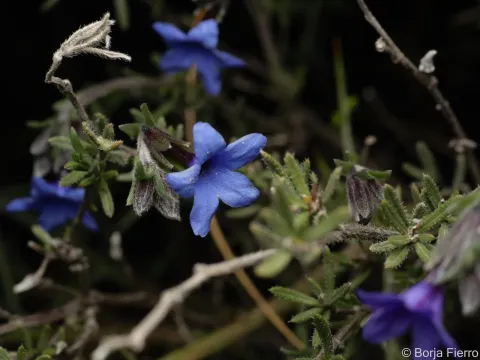
Lithodora
Lithodora Griseb.
Lithodora is a genus of perennial herbs and subshrubs belonging to the Boraginaceae family. It is highly valued in horticulture for its intense, star-shaped blue flowers and its habit of forming dense, low-growing mats of evergreen foliage.
What the section contains


Lithodora
Native to the Mediterranean region, these plants are well-adapted to rocky, well-drained soils and temperate climates. They perform best when situated in full sun to light shade, providing they are protected from harsh, drying winds.
The primary cultural requirement for Lithodora is soil with a low pH. It is an acid-loving plant, and planting it in alkaline or chalky soils will almost certainly result in yellowing foliage and poor growth due to iron deficiency.
Proper drainage is absolutely critical for the long-term survival of the plant. In heavy clay soils, the addition of ample grit or coarse sand is necessary to prevent the root system from sitting in stagnant water, which leads to rot.
Maintenance involves light pruning after the flowering season to encourage compact, bushy growth. This practice also helps the plant renew its vigor and ensures a consistent floral display in the subsequent growing season.
Root rot is the most significant threat to Lithodora, usually caused by overwatering or poor soil drainage. If the drainage is inadequate, the roots can quickly succumb to fungal pathogens, leading to sudden plant death.
Fungal leaf spot diseases may appear during periods of high humidity or poor ventilation. To prevent these issues, it is important to provide sufficient spacing between individual plants to allow for proper airflow.
Spider mites can be a persistent problem, especially in hot and dry locations. These small pests can cause the foliage to become discolored and brittle, so it is crucial to keep the plant adequately hydrated during summer heat.
Aphids occasionally infest young shoots, particularly during early spring growth flushes. If found, they should be managed with organic insecticidal soaps to minimize harm to beneficial garden insects.
Slugs and snails may occasionally feed on the tender foliage of young plants. Setting up physical barriers around the planting area or using organic baits can help protect the plants during their early stages of growth.