
Lithodora
Lithodora
Lithodora is a genus of perennial, evergreen, subshrub plants belonging to the Boraginaceae family. Originating from the Mediterranean region, these plants are well-adapted to rocky habitats and sunny, exposed slopes where drainage is excellent.
What the section contains


Lithodora
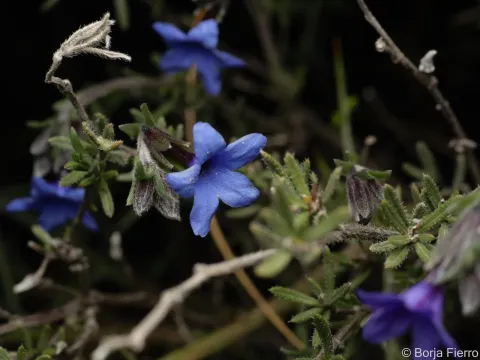
Botanically, Lithodora is characterized by its trailing growth habit, forming dense, low-growing mats of foliage. The leaves are typically narrow and hairy, while the flowers are famously known for their intense, vibrant blue or sky-blue color, blooming prolifically during the spring and early summer.
The plant requires acidic to neutral, well-drained, gritty soils to thrive. It is extremely intolerant of "wet feet," meaning heavy, water-retaining clay soils should be avoided or heavily amended with gravel or sharp sand to prevent root rot.
Regarding climate, Lithodora prefers full sun exposure to maintain its compact shape and maximize bloom density. While it can withstand periods of drought once established, it remains a plant that performs best in temperate climates with mild winters or reliable snow cover in colder regions.
In landscaping, this crop is primarily used for its aesthetic appeal in rock gardens, gravel beds, and as a low-maintenance ground cover. It effectively prevents soil erosion on sloped areas and is prized for its year-round green presence in the landscape.
Root rot is the most common physiological threat to Lithodora, usually caused by overwatering or poorly drained soil. Ensuring proper drainage at the time of planting is the most effective preventative measure against fungal pathogens that attack the root system.
Slugs and snails are primary pests, particularly during wet springs when they feed on the soft, emerging foliage. Gardeners often use copper barriers or organic slug pellets to protect the plants during their vulnerable growth phase.
Aphids may occasionally infest the tender tips of the plants, causing distorted growth. If infestation levels are significant, insecticidal soaps or neem oil applications are usually sufficient to control the pest population without damaging the perennial structure.
Powdery mildew can occur if air circulation is restricted around the foliage, especially in humid and stagnant conditions. Promoting airflow and removing any debris from the center of the plant is essential to maintain plant health.
Integrated pest management suggests regular monitoring and cleaning the base of the plant to keep it dry. By keeping the crown of the plant elevated above moist ground, growers significantly reduce the risk of common diseases and pest colonization.