
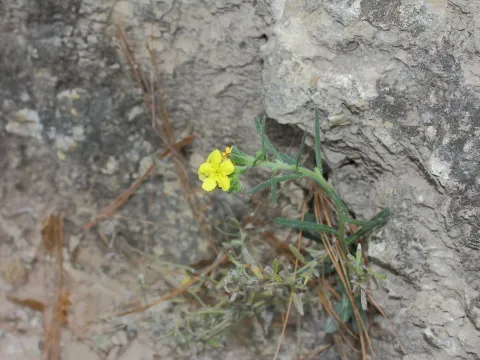
Lithospermum calycosum
Lithospermum calycosum
Lithospermum calycosum, a member of the Boraginaceae family, requires specific conditions for successful germination and early development.
What the section contains
Lithospermum calycosum
Seeds are typically sown in early spring once the risk of frost has passed and the soil has achieved a stable temperature of at least 10°C.
For optimal results, sow seeds at a shallow depth of approximately 1 cm, ensuring adequate light exposure which is often critical for this species.
Plant spacing should be carefully managed, allowing about 40 cm between rows to ensure efficient aeration and room for mechanical weeding.
Early-stage growth is relatively slow; therefore, it is vital to maintain weed-free conditions during the first few weeks after emergence.
This crop thrives in well-drained, sandy loam soils that possess a neutral to slightly alkaline pH, which prevents root stagnation.
Exposure to full sunlight is essential for the healthy development of Lithospermum calycosum, as shading tends to reduce overall vigor.
While drought-tolerant once established, young plants require consistent soil moisture to develop a strong root system during their first season.
The addition of organic compost before sowing can significantly improve soil structure and water retention, benefiting plant growth.
Excessive humidity must be avoided, as stagnant water increases the risk of soil-borne pathogens and root decay.
Crop yields for Lithospermum calycosum are generally optimized when the plant is grown in its preferred climatic zone with appropriate soil management.
Productivity increases significantly after the first year, as the plant matures and establishes a more complex and robust root network.
Strategic harvesting of floral or leaf biomass during peak growth phases ensures that the phytochemical content is at its maximum potential.
Regular monitoring of plant health throughout the vegetative phase helps in identifying stress factors that could limit overall yield.
Effective post-harvest management, including rapid drying and proper storage, is essential to maintain the quality and economic value of the produce.
The primary threats to this plant are fungal diseases associated with high humidity, such as powdery mildew, which can affect leaves during wet seasons.
Insect pests, including various aphids and leaf-feeding larvae, may pose a risk to younger plants and require proactive monitoring.
Implementing a strict crop rotation schedule helps to break the cycle of soil-borne pathogens that might accumulate over multiple seasons.
Good agricultural practice involves the immediate removal of any plant material that displays signs of severe disease to prevent wider spread.
Biological pest control methods, such as encouraging beneficial insects, are highly recommended for maintaining a balanced agro-ecosystem.
Harvesting should be timed precisely with the plant's flowering cycle, ensuring that the desired chemical profile is obtained.
Care must be taken to minimize handling of the harvested material to preserve its integrity and prevent damage to delicate structures.
Once harvested, the plant matter should be spread in a thin layer in a well-ventilated, shaded area to prevent heating and spoilage.
Mechanical cleaning after drying is necessary to separate the final product from soil, rocks, and other inert material collected during harvest.
Properly dried crops should be stored in moisture-proof containers in a cool, dark room to ensure long-term shelf stability and quality.