
Limestone alkanet
Anchusa calcarea
Description
Growing requirements
Anchusa calcarea, known as the Limestone alkanet, is a member of the Boraginaceae family, specifically adapted to calcareous soils. Its natural habitat includes rocky slopes, making it a hardy plant for specialized landscaping and naturalistic gardening.
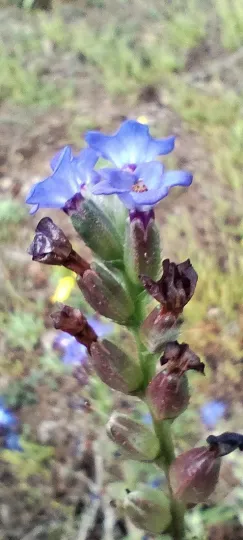
Botanically, this species is defined by its coarse, hairy foliage and vibrant blue flowers arranged in scorpioid cymes. The root system is deep, allowing the plant to tap into moisture stored within crevices in stony ground.
Successful cultivation requires full sun exposure and excellent drainage. The species will fail in waterlogged conditions, as the root crown is highly susceptible to rot when kept in consistently damp soil environments.
This plant thrives in neutral to alkaline soils, reflecting its native geological preferences. It exhibits strong resilience to heat and prolonged dry spells, making it an excellent choice for low-maintenance agricultural plots.
In terms of use, Anchusa calcarea is valued primarily for its nectar-producing potential, supporting various bee species. It also serves as a robust ornamental perennial that adds texture and color to rock gardens and xeriscaped areas.
Main diseases and pests
The main threats to Limestone alkanet include fungal pathogens such as powdery mildew, which thrive in humid or stagnant air conditions. Proper spacing is the primary agricultural method to prevent the spread of these spores.
Pests such as aphids and leaf beetles can cause damage to the succulent leaves, particularly in younger specimens. Regular monitoring is essential to catch infestations before they compromise the health of the plant.
To mitigate these threats, gardeners and farmers should ensure that the plant site receives adequate airflow. Avoiding excessive overhead irrigation also reduces the risk of leaf-based fungal issues significantly.
Weed management is critical during the establishment phase, as the plant may initially struggle to compete with aggressive grasses. Keeping the surrounding area clear allows the Anchusa to develop a strong root system.
If chemical intervention is necessary, targeted applications of insecticides should be used carefully to protect beneficial pollinators visiting the flowers. Integrated pest management strategies remain the most effective approach for this species.