
Myosotidium
Myosotidium
Myosotidium, commonly known as the Chatham Island forget-me-not, is propagated primarily by seeds. Sowing is usually carried out in autumn in the open ground or cold frames, as seeds require mandatory stratification to germinate successfully.
What the section contains

Myosotidium
When sowing in spring, seeds must be pre-chilled in a refrigerator at low temperatures for 4 to 6 weeks. Germination can be uneven, so it is vital to maintain consistent moisture levels in the substrate until the seedlings emerge.
For nursery cultivation, use nutrient-rich soil mixtures with added sand and leaf mold. Prick out the seedlings once the first pair of true leaves appears, taking care not to damage the fragile root system of the young plants.
Transplanting to the permanent location should occur in spring, once the threat of heavy frost has passed. Planting patterns should allow for sufficient spacing, usually 40–50 cm between plants, to accommodate the large, spreading rosette.
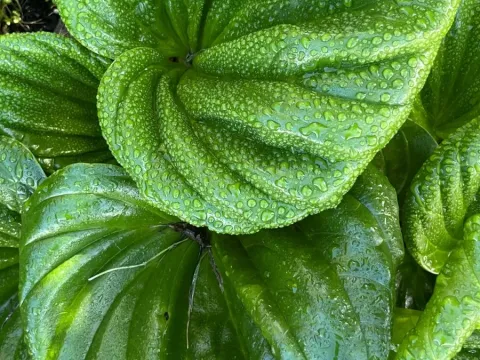
As the plant matures, it develops a powerful rosette of leathery leaves, which forms the basis of its ornamental appeal. Myosotidium grows slowly, requiring patience during the early stages of its development from seed.
This crop belongs to the Boraginaceae family and is native to the Chatham Islands near New Zealand. The plant has specific climatic requirements, preferring cool, humid summers and an absence of extreme temperature fluctuations.
Successful growth requires moist, organic-rich soils with excellent drainage. Myosotidium does not tolerate waterlogging in the root zone, although it thrives in conditions with high atmospheric humidity.
The optimal planting site is partial shade or areas protected from direct midday sun, which can scorch the large, fleshy leaves. Spots with light shade from trees or shrubs are ideal for maintaining the plant's health.
Protection from strong winds is essential to prevent damage to the decorative leaf blades. In many continental climates, the plant requires winter protection to prevent freezing damage during periods without snow cover.
Regular irrigation is necessary, especially during the active growth and flowering phases. It is important to keep the soil moderately moist but not waterlogged, which can be achieved by incorporating peat or compost into the soil.
The main pests for Myosotidium are slugs and snails, which are attracted to the lush, broad foliage. Protection measures include regular monitoring, the use of mechanical barriers, or the application of approved molluscicides.
Under conditions of high humidity and poor air circulation, the crop may be affected by gray mold. To prevent this, avoid overcrowding and ensure adequate airflow around the plant rosettes.
Root rot is a significant threat caused by improper soil selection or overwatering. It is recommended to use fungicides at the first signs of leaf yellowing or wilting at the growing point to save the plant.
Aphids can infest flower stalks during the budding period, sap-sucking and inhibiting overall growth. Control can be managed using systemic insecticides or insecticidal soaps in case of minor infestations.
The plant may also suffer from infections carried by soil-borne pathogens. Therefore, adhering to crop rotation practices and using sterilized substrates for container-grown plants is crucial for healthy development.