
Mountain lungwort
Pulmonaria montana
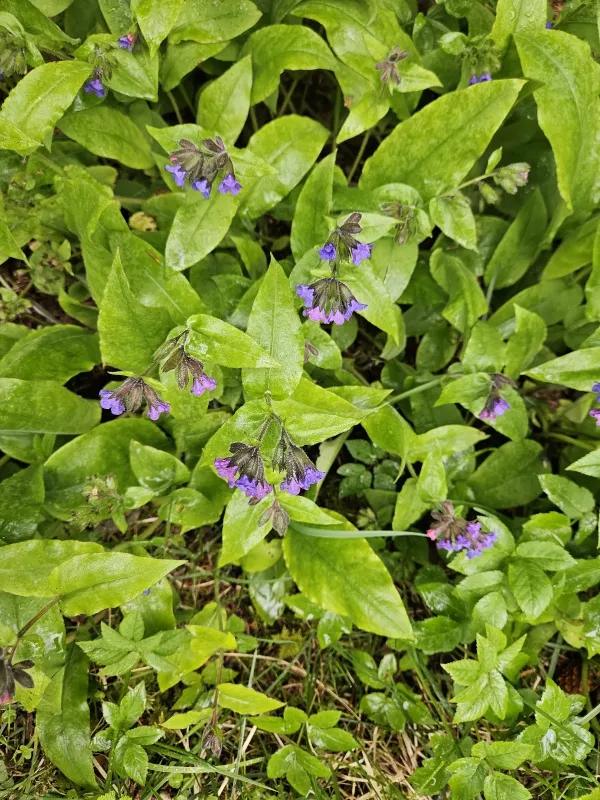
Description
Sowing dates
Mountain lungwort is a perennial plant belonging to the Boraginaceae family. It is typically propagated through seed germination or division of mature root clumps.
Seeds are best sown in late autumn to allow for natural stratification, which is essential for breaking dormancy and ensuring uniform emergence.
If starting indoors, sow seeds in deep containers using a light, well-draining peat-based medium during late winter to provide a head start on the growing season.
Seedlings should be hardened off before being transplanted into the field or garden beds, spacing them approximately 35-40 cm apart.
Once established, the plants will naturally expand their area through rhizome growth, making division every three to four years necessary for plant health.
Growing requirements
This species thrives in shaded or semi-shaded environments, mimicking its natural habitat in mountain forests and woodland clearings.
The soil should be rich in organic matter, slightly moist, and have a neutral to slightly acidic pH for optimal nutrient uptake.
Consistent moisture is required throughout the growing season, although the substrate must be well-drained to prevent root and crown rot issues.
Incorporating compost or leaf mold into the topsoil prior to planting improves soil structure and water retention capacity significantly.
Protection from intense midday heat is critical, as high temperatures coupled with low humidity can cause severe leaf scorch and plant decline.
Main diseases and pests
Powdery mildew is a common fungal disease that affects lungwort during periods of high humidity and poor air circulation within the plant canopy.
Slugs and snails are the most prominent pests, often causing significant damage to the lush green foliage during early spring development.
Root rot, caused by excessive soil moisture and poor drainage, can lead to the rapid death of entire clumps if not addressed promptly.
Maintaining clear spaces between individual plants allows for better airflow, which is a primary cultural method for reducing fungal pathogen pressure.
Integrated pest management, including manual removal of slugs and thinning out overcrowded areas, is recommended for maintaining crop health.
Harvesting
Harvesting for medicinal purposes occurs when the plant is in early full bloom, as this is when the chemical content is most concentrated.
Use clean, sharp shears to harvest the aerial parts, ensuring that a significant portion of the plant remains to support continued growth.
Air-dry the harvested material in a shaded, well-ventilated location, avoiding direct sunlight to prevent degradation of its beneficial compounds.
Once dried, the herb should be stored in airtight containers, protected from light and humidity, to ensure its potency for future use.
Regular maintenance harvesting of old or damaged foliage promotes a healthier appearance and helps extend the productive life of the perennial crop.