
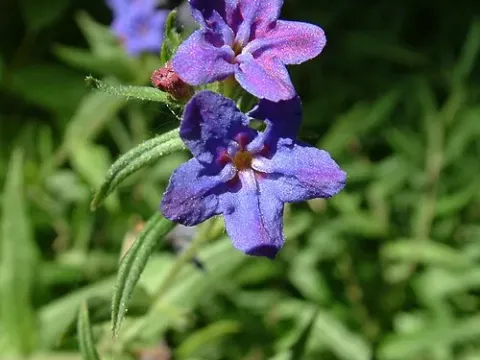
Lithospermum mirabile
Lithospermum mirabile
Sowing of Lithospermum mirabile seeds is best performed in early spring once soil temperatures reach 10-12 degrees Celsius. To improve germination rates, seeds should undergo stratification for 4-6 weeks under cool conditions before planting.
What the section contains
Lithospermum mirabile
Seeds should be sown at a shallow depth of 1-2 centimeters, as they require light and specific conditions to break dormancy. Maintaining a row spacing of 45-60 centimeters allows for optimal airflow and easier mechanical weed control later in the season.
Starting seedlings in trays during March is a viable method for better establishment, especially in colder regions. Once the plants have developed two sets of true leaves, they can be hardened off and transplanted into the field.
Initial growth is relatively slow, making weed management critical during the first few weeks after emergence. Regular shallow cultivation between rows will suppress weed competition and improve soil aeration.
Fall sowing is also possible in areas with milder winters, allowing seeds to experience natural cold stratification. This often results in more vigorous seedling growth and better field establishment compared to spring planting.
Lithospermum mirabile belongs to the Boraginaceae family and thrives in well-drained, calcareous soils. It is vital to select sites that avoid waterlogging, as the root system is highly sensitive to excessive soil moisture.
This crop requires full sun exposure to flourish and maintain the necessary concentrations of active compounds. Providing an open, unobstructed site protected from harsh winds is essential for consistent yields.
The plant demonstrates good drought tolerance once fully established, thanks to its robust taproot system. However, providing supplementary water during dry spells significantly boosts foliage production and plant vigor.
Optimal soil pH levels are neutral to slightly alkaline. Incorporating well-rotted organic matter and balanced phosphorus-potassium fertilizers before planting provides a strong foundation for long-term growth.
The plant handles temperature fluctuations well, but young plantings may require light mulching in winter to protect the crown and roots from severe frost cycles in colder climates.
Yield potential of Lithospermum mirabile depends on planting density and site fertility. Proper spacing and proactive management during the first year usually lead to high-quality biomass production by the second year.
Maximum harvest for root materials is achieved in the second or third year of cultivation. Harvesting during this maturity phase ensures the highest concentration of bioactive compounds for commercial use.
Aerial biomass is harvested during the peak flowering stage to maximize the extraction of volatile oils and medicinal ingredients. Mechanical harvesters should be calibrated to maintain the appropriate cutting height.
Regular maintenance of inter-row spaces and periodic fertilization are key factors in sustained productivity. Preventing soil compaction through careful handling ensures the roots have sufficient oxygen for healthy development.
Consistent care translates into long-lived plantations, reducing the need for frequent replanting and maximizing the economic output of the field over a multi-year rotation cycle.
Root rot is the most common threat, primarily associated with heavy soils or improper drainage. Ensuring good soil structure and monitoring irrigation levels are the best preventative measures against fungal pathogens.
Powdery mildew may occur in periods of high humidity and poor ventilation within the canopy. Using targeted organic fungicides and improving air circulation can effectively control outbreaks.
Pests such as aphids and spider mites can cause damage during dry, hot weather. Integrated pest management, including the use of biological control agents, is recommended to protect the crop quality.
Slugs and snails may target young seedlings during wet spring weather, necessitating monitoring and the implementation of physical barriers to protect the early stages of plant development.
Adhering to proper crop rotation schedules prevents the buildup of soil-borne diseases that are specific to the Boraginaceae family, securing the long-term health of the planting area.
Harvesting the aerial parts should occur at full bloom when the plant stores the highest quantity of active substances. Cuttings are made 5-10 centimeters above the ground to allow for plant regeneration.
The raw material must be transported immediately to drying facilities to prevent heat buildup and the oxidation of volatile components. Drying occurs at temperatures not exceeding 40 degrees Celsius.
Root harvesting is performed in the autumn after the growing season concludes and nutrients have migrated downward. Specialized equipment is used to extract the roots while minimizing mechanical damage.
Roots must be thoroughly washed to remove soil and cleaned of small lateral fibers before drying. Spreading them in shaded, well-ventilated areas allows for consistent dehydration and preserves quality.
Final dried products should be stored in opaque, airtight containers in cool conditions to retain their potency and prevent contamination, ensuring a shelf-stable and high-quality commercial product.