
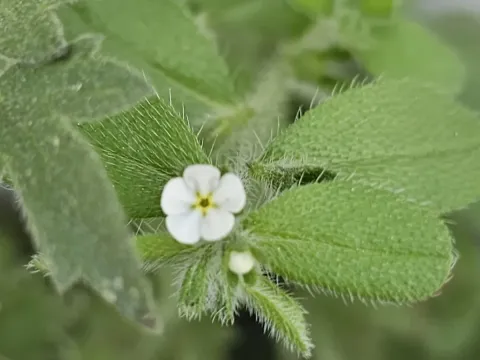
Lithospermum matamorense
Lithospermum matamorense
Lithospermum matamorense belongs to the Boraginaceae family, which is well-known for its adaptability and hardiness. It is a perennial herbaceous plant that thrives in well-drained, sandy, or rocky soils with a neutral pH level, reflecting its origin in arid environments.
What the section contains
Lithospermum matamorense
The seeds of this species possess a natural dormancy that must be overcome through cold stratification before sowing. In agricultural settings, seeds are typically sown in late autumn or early spring to leverage natural temperature fluctuations for enhanced germination rates.
Sowing depth is critical; seeds should be placed only 1–2 centimeters below the surface. Access to light is essential for the germination of many Lithospermum species, so superficial placement combined with light pressure on the soil is recommended for success.
During the early growth stages, maintaining consistent soil moisture is vital for establishing a healthy root system. Once the plants reach the four-leaf stage, they become significantly more resistant to drought, allowing for a reduction in irrigation frequency.
Proper spacing is required to ensure optimal airflow between plants, which is key to preventing moisture buildup. Rows should be spaced 40–50 centimeters apart, allowing for mechanical weeding and preventing the overcrowding that limits nutrient uptake.
This crop is highly prized for its drought tolerance, making it an excellent choice for regions with limited rainfall. Its deep taproot system allows it to access subsoil moisture, enabling the plant to remain green and productive even during dry summer months.
Lithospermum matamorense prefers full sun exposure, which maximizes its metabolic efficiency and blooming potential. While it can survive in partial shade, optimal yields of plant biomass or seeds are achieved when grown in open, sun-drenched environments.
Soil quality is defined by its ability to drain excess water; heavy clay soils must be amended with grit or sand to prevent root rot. The plant performs well in lean soils and does not require heavy fertilization, as nitrogen excess can lead to weak, succulent growth.
The temperature range for this species is quite broad, though it prefers temperate conditions for initial growth. It is relatively resistant to heat, provided the plant is sufficiently established, but extreme humidity should be avoided to prevent fungal issues.
Crop rotation is a recommended practice to maintain soil health. Planting Lithospermum matamorense after cereal crops helps prevent the buildup of soil-borne pathogens and ensures that the field remains relatively free of invasive perennial weeds.
Root rot represents the most significant threat to this crop, typically resulting from waterlogged conditions. Proper field drainage and avoiding over-irrigation are the primary agronomic methods to mitigate this risk throughout the growing season.
Pests like aphids and spider mites can attack the foliage during prolonged hot, dry spells. Integrated pest management, focusing on biological controls and ensuring plants remain stress-free, is the best strategy for maintaining healthy crop populations.
Invasive weeds compete with young Lithospermum plants for nutrients and sunlight. Implementing mulching techniques early in the season not only suppresses weed growth but also stabilizes soil moisture, providing a secondary benefit for crop development.
Powdery mildew can occur if air circulation is poor, particularly in plantings with high density. Regular inspection and maintaining proper row spacing are standard precautions to minimize the risk of fungal spread across the production field.
Birds can also pose a risk during the seed dispersal and germination phases. Protecting the field with netting or using mechanical bird deterrents is advisable in areas where avian populations might cause significant losses to the newly planted seed stock.