
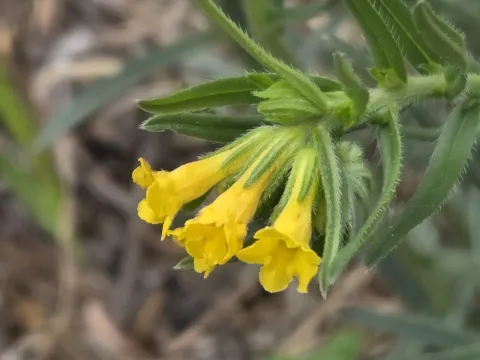
Lithospermum multiflorum
Lithospermum multiflorum
Sowing of Lithospermum multiflorum is best performed in late autumn or early spring, provided that the seeds have undergone a necessary stratification process.
What the section contains
Lithospermum multiflorum
Seeds of this species exhibit dormancy, so pre-sowing treatment is essential to improve germination rates in an agricultural setting.
Seeds should be sown at a shallow depth of 1–2 cm, ensuring good soil-to-seed contact and maintaining moisture throughout the germination phase.
Early season cultivation requires diligent soil moisture management, as the seedlings are delicate and vulnerable to desiccation during the first few weeks.
Row spacing should ideally be maintained between 40 to 50 cm to allow for sufficient airflow and to facilitate necessary weed management practices.
The crop thrives in sunny locations with well-drained, porous soils, as it is highly sensitive to waterlogging which can cause root system collapse.
As a member of the Boraginaceae family, it is naturally adapted to rocky or nutrient-poor soils, making it resilient in less-than-ideal growing conditions.
Optimal growth is typically observed in neutral to slightly alkaline soil conditions, with a preferred pH range between 6.0 and 7.5 for best performance.
Lithospermum multiflorum shows moderate drought resistance once established, although supplemental irrigation is advised during extended dry spells.
The plant is adapted to diverse climates, tolerating significant temperature fluctuations common in high-altitude environments where it naturally occurs.
Commercial utilization of this plant is primarily focused on its phytochemical properties, specifically the presence of naphthoquinones in its tissues.
These compounds are of interest for the pharmaceutical and natural dye industries, creating potential for niche market agricultural production.
Yield metrics, such as biomass or root weight, are highly dependent on planting density and the consistency of the soil environment throughout the growth cycle.
Harvesting for therapeutic or industrial applications requires careful timing to ensure the concentration of secondary metabolites is at its peak level.
Further research into standardized cultivation techniques is necessary to maximize yields and improve the economic viability of growing this species on a farm scale.
The primary agricultural threat to this crop involves fungal diseases affecting the roots, often triggered by poor soil drainage and stagnant water conditions.
Powdery mildew can become a significant issue in high-humidity environments, necessitating preventive measures like adequate plant spacing and airflow.
Soil-dwelling insects can pose a risk to young plants by damaging the root crown, potentially reducing crop stands if not managed early in the season.
Aphid infestations during hot weather may cause stunted growth and reduced vigor, requiring integrated pest management strategies to protect the crop.
Weed competition is a significant concern during the initial growth stages, as the plant establishes its root system relatively slowly compared to invasive weeds.
Mechanical harvesting of the above-ground biomass is best performed during the peak flowering stage to capture the highest density of bioactive compounds.
Root harvesting requires mechanized excavation to ensure minimal tissue damage, which preserves the quality of the raw material for processing.
Once harvested, the plant material should be dried immediately in a ventilated area at temperatures not exceeding 45 degrees to maintain chemical stability.
Exposure to direct sunlight during the drying process must be avoided to prevent the degradation of light-sensitive pigments and valuable active components.
Dried product should be stored in moisture-proof, light-sealed containers to maintain shelf life and prevent quality loss during storage and transport.